
Northern Rhythm: The Ultimate 2026 Festival Guide

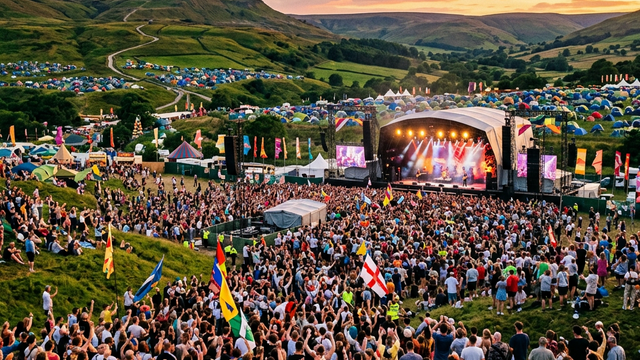
Summer 2026 is shaping up to be one of the most exciting festival seasons the North of England has ever seen. From a Cheshire field pulsating with electronic music to a Victorian park in Sheffield turned indie citadel, from the shadow of a giant radio telescope in Macclesfield to the wild, green hills of the Lake District — the North does festivals differently. They feel earned, weathered, and genuinely communal in a way that no boutique southern lawn event can quite replicate.
Whether you're a festival veteran plotting your entire summer around a wristband, or a first-timer wondering where to start, this is your complete guide to the biggest and best music and culture events hitting Northern England in 2026. We've covered everything from the 100,000-capacity leviathans to the hidden gems that regulars guard jealously. Pull on your wellies and read on.
How the North Became the UK's Festival Heartland
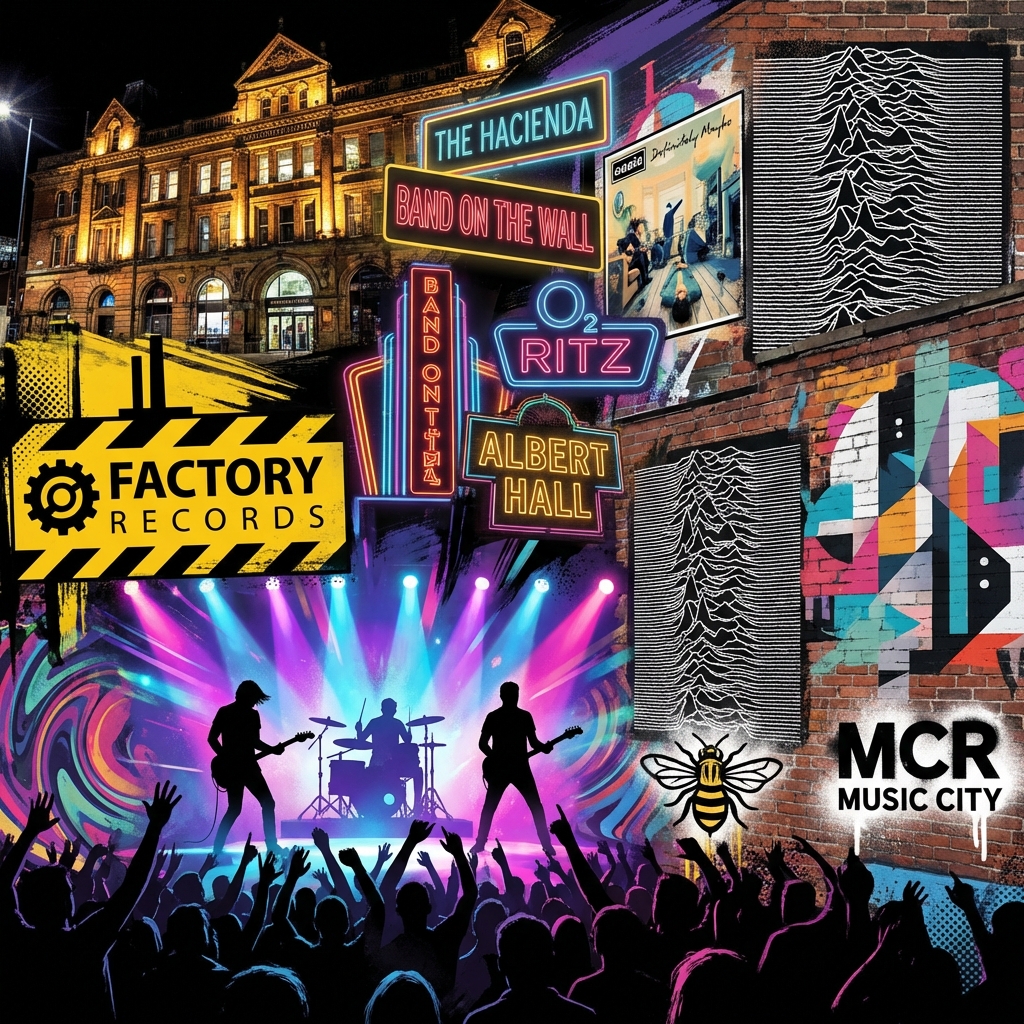
The story of Northern festivals begins in the rave era of the late 1980s and early 1990s. The Haçienda in Manchester and the warehouse parties rippling out from it created an appetite for large-scale shared music experiences that Glastonbury — geographically remote for most Northerners — couldn't easily satisfy. When the rave scene fractured in the mid-90s, that energy didn't disappear. It channelled itself into the growing outdoor festival circuit.
By 2003, Leeds Festival (the northern arm of the Reading & Leeds double-header, launched in 1999) had become one of the most coveted tickets in British music. Within a decade, Sheffield's Tramlines, Cumbria's Kendal Calling, and Cheshire's Creamfields had established the North as the UK's undisputed festival heartland — a region where the audience's passion, the venue diversity, and the sheer number of events creates something unmatched anywhere else in the country.
In 2026, that tradition is stronger than ever.
🎸 The Big Hitters
Leeds Festival — Bramham Park, West Yorkshire (August Bank Holiday Weekend)
The Numbers: 70,000+ capacity | Three days | Multiple stages
If you only attend one festival in the North this summer, Leeds Festival remains the default choice for sheer scale and ambition. Held at Bramham Park near Wetherby since 1999, it consistently delivers one of the most impressive headline rosters in British music — spanning rock, indie, hip-hop, and pop in a combination that few other European events attempt.
The August Bank Holiday weekend timing has become part of the Northern cultural calendar — a signal that summer is giving its final, most spectacular bow. The site's natural bowl creates extraordinary acoustics on the main stage, and the supporting cast of smaller stages (including the BBC Introducing tents, which have launched more careers than most record labels) means there's always something unexpected to discover.
What to expect in 2026: Headliner announcements typically land in January-March. Check the Events page for Social for Life's curated guide to Leeds Festival warm-up events across West Yorkshire.
Essential tip: Book your campsite early — the general camping areas fill faster than the festival tickets themselves. Consider the arena-adjacent options for shorter walks after late sets.
Creamfields — Daresbury, Cheshire (August Bank Holiday Weekend)
The Numbers: 70,000+ capacity | Four days | 15+ stages
For electronic music, there is simply nothing in the Northern Hemisphere that touches Creamfields. Born from the legendary Cream nightclub in Liverpool in 1998, it has grown into the UK's definitive dance and electronic music festival — a four-day immersion in techno, house, trance, drum and bass, and every sub-genre in between.
The site at Daresbury in Cheshire accommodates over 70,000 people, with the infamous Steel Yard — a custom-built 20,000-capacity structure that has hosted some of the most memorable sets in electronic music history — forming the centrepiece. Past headliners have included Calvin Harris, Tiësto, Eric Prydz, Chase & Status, and Disclosure. For 2026, the anticipation is at a particularly high level following an exceptional 2025 edition.
What to expect: If you're new to electronic music festivals, Creamfields is an education. The crowd is among the most knowledge and enthusiastic in European dance music, and the production values — lighting, sound, stage design — are world-class.
🎵 The Beloved Mid-Sizers
Tramlines — Hillsborough Park, Sheffield (Late July)
The Numbers: 25,000 capacity per day | Three stages | Multiple days
What began in 2009 as a free city-centre festival spread across Sheffield's pubs and venues has evolved into one of the UK's most cherished ticketed events. Tramlines now calls Hillsborough Park home — a beautiful Victorian urban park that turns into a 25,000-capacity arena for a long July weekend — and has become a genuine institution in its own right.
The lineup formula is distinctive: a eclectic mix of pop headliners, indie and alternative mid-card acts, and a local/emerging talent programme that reflects Sheffield's remarkable ongoing importance to British music (the city that gave us The Human League, Pulp, Arctic Monkeys, and Bring Me The Horizon continues to produce). In 2025, Tramlines celebrated its 15th anniversary with a record-breaking lineup. The 2026 edition is expected to build on that momentum.
Sheffield tip: Arrive a day early to explore the city. The music scene off-festival is just as vibrant — the Leadmill, Foundry, and Yellow Arch Studios all have rich histories worth knowing. See our Places page for Sheffield venue guides.
Kendal Calling — Lowther Deer Park, Cumbria (Late July)
The Numbers: 25,000 capacity | Four days | Multiple stages
Set in the grounds of Lowther Deer Park in the Eden Valley south of Penrith, Kendal Calling is the festival that Northern festival veterans point to when someone questions whether you can get the Glastonbury experience without going to Somerset. Since 2006 it has grown from a 1,000-person local event into a 25,000-capacity four-day event that manages the impossible: scaling up while retaining an intimate community atmosphere.
The setting is extraordinary — rolling Cumbrian countryside with fells visible on the horizon — and the lineup deliberately spans generations, mixing heritage indie and rock acts with contemporary artists. Past headliners include The Libertines, Primal Scream, The Charlatans, Stereophonics, and Madness. The family area is particularly well-regarded, making it one of the best options in the North for festival-goers with children.
The community feel: Kendal Calling has a reputation for being one of the friendliest festivals in the country. The crowd tends to skew 25-45, the fancy dress tradition is enthusiastically maintained, and the local food offering — heavily featuring Cumbrian producers — is several notches above festival standard.
🔬 The Unique Experiences
Bluedot — Jodrell Bank Observatory, Macclesfield (Mid-July)
The Numbers: 15,000 capacity | Four days | Music + science + culture
Bluedot is unlike anything else in British festival culture. Held in the shadow of the Lovell Telescope at Jodrell Bank Observatory — a 76-metre-wide, Grade I listed radio telescope that has been scanning the cosmos since 1957 — it combines world-class music with talks, workshops, and performances celebrating science, astronomy, and space exploration.
The telescope itself is illuminated throughout the festival and becomes the backdrop to every performance. Talks from physicists, astronauts, and mathematicians sit alongside sets from artists who have an affinity with science and sonic experimentation — past performers have included The Chemical Brothers, New Order, Jon Hopkins, Peter Gabriel, and Orbital. The 2025 edition was particularly special, coinciding with new findings from the James Webb Space Telescope, with live commentary woven into the programming.
For anyone who wants a festival experience that stimulates the mind as much as the body, Bluedot is absolutely unmissable. Check their official site at Cheshire's cultural listings for 2026 details.
Sounds of the City — Castlefield Bowl, Manchester (June–July)
The Numbers: 8,000 per show | Multiple dates | Indoor/outdoor hybrid
Not a traditional festival but an unmissable summer institution: Sounds of the City is a series of outdoor concerts held at Castlefield Bowl — the ancient Roman amphitheatre turned extraordinary outdoor venue in the heart of Manchester. Nestled between Victorian railway viaducts and canal-side warehouses, it's one of the most atmospheric live music settings in the country.
Each summer, across a series of individually ticketed evenings in June and July, the Bowl hosts an eclectic programme spanning indie, pop, soul, and electronic music. In recent years it has hosted Liam Gallagher, Haim, Charli XCX, The 1975, and Lewis Capaldi. For 2026, announcements are expected in February — watch this space.
Manchester tip: Pre- and post-show dining options around Castlefield are exceptional — the Dukes 92 canalside bar and the nearby Bundobust street food spot are festival-perfect. See our Places guide to Manchester for full recommendations.
🌿 The Hidden Gems
Deer Shed Festival — Baldersby Park, North Yorkshire (Late July)
The Numbers: 7,500 capacity | Three days | Family-focused arts and music
If you're attending a festival with children, Deer Shed is the answer nobody told you about. Held in the beautiful grounds of Baldersby Park near Thirsk, it's part music festival, part arts event, part outdoor school — with a programme that takes young people seriously as cultural participants rather than an afterthought.
The adult music lineup consistently punches well above its size, with acts spanning folk, indie, and experimental music. But Deer Shed's real magic is the breadth of its non-music programming: science workshops, craft sessions, theatre performances, literature talks, and outdoor activities all run simultaneously. The atmosphere is relaxed, the crowd is engaged, and the food offering is exceptional. It's been shortlisted for the UK Festival Awards' Best Family Festival category multiple times.
Live at Leeds — Leeds City Centre (Late May)
The Numbers: Multi-venue | One day | Emerging and established artists
Live at Leeds operates on a model that sets it apart from every other festival on this list: rather than a greenfield site, it takes over Leeds city centre — spreading across 30+ venues ranging from pub back rooms to the O2 Academy. One wristband, one day, dozens of simultaneous acts. It's a music lover's playground.
The lineup formula prioritises discovery — you'll find genuine breakthrough artists here months before they play bigger stages. Many of Britain's most significant acts of the last decade have had career-defining early Live at Leeds sets: Arctic Monkeys (in 2006, before their debut album), Foals, Years & Years, and Sam Fender all built crucial early momentum here. For 2026, early announcements suggest another strong roster.
Y Not Festival — Pikehall, Derbyshire (Late July)
The Numbers: 10,000 capacity | Three days | Peak District indie haven
Tucked into the limestone landscape of the Derbyshire Peak District, Y Not is a festival that genuinely rewards loyalty. It's been running since 2005, has survived some legendary weather events (flood-related cancellations are now part of its mythology), and has emerged as one of the most characterful events in the Northern calendar.
The lineup consistently delivers value — mid-level indie and alternative acts that sell out their own tours but feel intimate here — and the site's dramatic landscape means the sunset views from the main stage area are genuinely spectacular. For those who find Leeds or Creamfields overwhelming, Y Not offers the full festival experience at a more human scale.
Practical Festival Guide: Getting There and Making the Most of It
🚂 Getting There
The North's rail network connects to most festival sites better than anywhere else in the UK. Leeds, Sheffield, and Manchester are all major rail hubs with direct services from London and intercity connections throughout the region. Many festivals run dedicated shuttle bus services from the nearest city-centre rail station — book these at the same time as your festival ticket, as they sell out early.
🏕️ Accommodation
For multi-day festivals with camping, arrive Thursday to secure prime pitch position. Most Northern festivals offer a tiered camping upgrade system — boutique camping with proper beds, powered hookups, and sometimes hot showers — that varies from £50 to £300 extra. Worth considering if you're attending with older or less experienced festival-goers.
💷 Budgeting
A typical three-day Northern festival experience (ticket, camping, food, drinks) runs £300-£600 per person depending on the event. Book early: most festivals offer early-bird tickets at 15-30% below face value, and payment plan options (spreading the cost over 6-12 months) are now standard across the major events.
📱 Staying Connected
Join festival-specific community groups before you go — find fellow attendees through our Groups page to arrange meetups, share travel, and build the social experience before the gates even open.
🔗 Essential Resources
- NME Festivals Hub — Lineup announcements, reviews, and news for every major UK event
- Official UK Charts — Track which acts are climbing in 2026 and likely to headline soon
- eFestivals.co.uk — The UK's most comprehensive festival database, with campsite reviews and planning tools
- VisitEngland: Music Festivals Guide — Regional festival listings with tourism context
- The Guardian: Festival Coverage — In-depth reviews and cultural analysis from the previous season
Your 2026 Festival Summer Starts Here
The Northern festival scene in 2026 offers something for every taste, budget, and experience level. Whether you're drawn to the 70,000-strong electricity of Leeds or Creamfields, the characterful intimacy of Deer Shed or Y Not, the intellectual thrill of Bluedot, or the urban magic of Sounds of the City at Castlefield Bowl — the summer's lineup is exceptional.
Start planning now. The best tickets, the best campsites, and the best travel arrangements go to those who move early. Check our Events page for specific festival listings and warm-up events near you, explore the Places page for venue guides in every Northern city, and connect with fellow festival-goers through our Groups page.
See you in the field.
Timothy Canon
Tech & Innovation WriterTimothy covers the intersection of large-scale events and community experiences.
Liverpool: Beyond The Beatles – Culture, Resilience, and Reinvention