
Liverpool: Beyond The Beatles – Culture, Resilience, and Reinvention
Liverpool: Beyond The Beatles – Culture, Resilience, and Reinvention
Liverpool carries a global reputation built on music (The Beatles, obviously), football (Liverpool FC, Everton FC), and Scouse wit (deadpan humor, quick comebacks, cultural confidence). But reduce this city to Beatles tourism and Anfield pilgrimage, and you miss the real story: maritime empire turned cultural powerhouse, post-industrial decline met with stubborn resilience, European Capital of Culture status transforming a city permanently.
The numbers tell part of the tale: 2008 European Capital of Culture brought £4 billion investment, 800+ events, and doubled tourism (28 million visitors in 2007 → 61 million in 2023). But statistics miss the intangible—Liverpool's regenerated waterfront, world-class FREE museums confronting difficult histories, thriving independent arts scene, and community pride that survived economic devastation.
This guide explores Liverpool beyond Beatles nostalgia: the waterfront museums, contemporary arts, theatre, football culture, and architectural splendor making this city essential.
From Empire to Decline to Renaissance
Maritime Empire (1700s-1900s)
Liverpool's wealth came from the sea. As a major Atlantic port (1700s-1900s), the city traded cotton, tobacco, enslaved people—yes, Liverpool's prosperity
was built on the transatlantic slave trade. This difficult history isn't hidden; it's confronted head-on in the International Slavery Museum.
Victorian wealth funded grand civic buildings: the "Three Graces" waterfront architecture, Walker Art Gallery (1877), Liverpool Philharmonic (1849). The city rivaled London culturally.
Immigration shaped Liverpool's character. Irish (fleeing famine), Chinese (seamen establishing Europe's first Chinatown, 1834), African and Caribbean communities created multicultural identity.
Post-War Decline (1950s-1980s)
Deindustrialization devastated Liverpool. Docks mechanized/closed, manufacturing collapsed, unemployment soared. The 1981 Toxteth Riots erupted from racial tension, poverty, police brutality—national symbol of urban crisis.
1980s were Liverpool's nadir: population declining, buildings derelict, economic depression. Other cities wrote Liverpool off.
Cultural Renaissance (1990s-2020s)
Albert Dock regeneration (1988) began Liverpool's comeback—derelict warehouses became museums, galleries, restaurants. Tourism industry emerged.
2008 European Capital of Culture accelerated transformation. £4 billion investment upgraded infrastructure, venues, public spaces. The city reimagined itself: Liverpool ONE shopping district opened (2008), Museum of Liverpool built (2011), waterfront revitalized.
Challenges remain: UNESCO delisted Liverpool's waterfront as World Heritage Site (2021) due to overdevelopment, gentrification pressures continue. But cultural confidence endures.
Waterfront Museums: World-Class & FREE
Liverpool's greatest cultural asset? Exceptional museums charging zero admission.
Albert Dock Complex
Tate Liverpool
Admission: FREE
What: Modern/contemporary art (1900-present)
Collection: Picasso, Warhol, Hockney, rotating exhibitions
Why: Only Tate outside London, world-class shows, beautiful brick warehouse setting
Merseyside Maritime Museum
Admission: FREE
Themes: Titanic (Liverpool registry), emigration (9 million departed Liverpool for Americas), Battle of Atlantic (WWII)
Why: Comprehensive maritime history, emotionally powerful emigration stories
International Slavery Museum
Admission: FREE
What: Confronts Liverpool's role in transatlantic slave trade
Why: Unflinching honesty—doesn't sanitize history. Explores slavery's legacy, racism, contemporary human trafficking. Essential, challenging visit.
The Beatles Story
Admission: £18 (only paid museum here)
What: Comprehensive Beatles history, memorabilia, audio guide
Touristy But Quality: Well-executed, worth it for fans
City Center Museums
World Museum
Admission: FREE
Collections: Natural history (dinosaurs, taxidermy), planetarium, world cultures, ancient Egypt
Family-Friendly: Kids love it, interactive exhibits
Walker Art Gallery
Admission: FREE
Collection: European art 1300-present, Pre-Raphaelites, British masters
Hidden Gem: Rivals London galleries, peaceful browsing
Museum of Liverpool
Admission: FREE
Opened: 2011
Focus: Liverpool's identity—music, football, social history, port heritage
Architecture: Striking modern building, waterfront location
Music: Yes Beatles, But Also...
Liverpool's musical heritage extends far beyond four lads.
The Beatles (Unavoidable Context)
Cavern Club (10 Mathew Street): Still operating, live music nightly. Touristy but authentic atmosphere—original Cavern demolished 1973, rebuilt nearby.
Beatles Story Museum: Comprehensive, Albert Dock.
Magical Mystery Tour (bus tour): Childhood homes, Penny Lane, Strawberry Fields. Kitsch but fun.
Beyond Beatles
Merseybeat Era (1960s):
Gerry & The Pacemakers ("Ferry Cross the Mersey"), The Searchers, Cilla Black—Liverpool dominated British pop.
1980s Post-Punk:
Echo & the Bunnymen, Teardrop Explodes, Frankie Goes To Hollywood ("Relax")—art-school sophistication, new wave innovation.
1990s Dance:
Cream nightclub (1992-2002): Legendary superclub, house/techno mecca. Closed but influence endures.
2000s Indie:
The Coral, The Zutons, The Wombats—melodic indie, radio-friendly.
2020s Scene:
Red Rum Club (cinematic indie), SPINN (funk-punk), emerging acts continuing Liverpool's musical tradition.
Current Venues
Liverpool Philharmonic Hall
Since: 1849 (building, orchestra older)
What: Royal Liverpool Philharmonic Orchestra, classical concerts, world-class acoustics
O2 Academy Liverpool
Capacity: 1,200
What: Touring indie/rock/alternative acts
Arts Club
Capacity: 500
What: Intimate venue, new + established artists, cool basement space
24 Kitchen Street
Location: Baltic Triangle (creative quarter)
What: Warehouse venue, electronic music, club nights
Theatre & Performance
Liverpool Empire
Capacity: 2,300
What: Touring West End musicals (Hamilton, Wicked-style blockbusters), pantomime
Architecture: Victorian splendor (1925), ornate interior
Everyman Theatre
Rebuilt: 2014 (original 1964)
What: Bold new writing, contemporary work, community focus
Awards: Stirling Prize for architecture
Accessible: Affordable tickets, local voices
Playhouse Theatre
What: Classical repertoire, Liverpool Playhouse company, established plays
Royal Court Liverpool
What: Local comedy, Scouse humor, accessible entertainment
Vibe: Community theatre, working-class stories
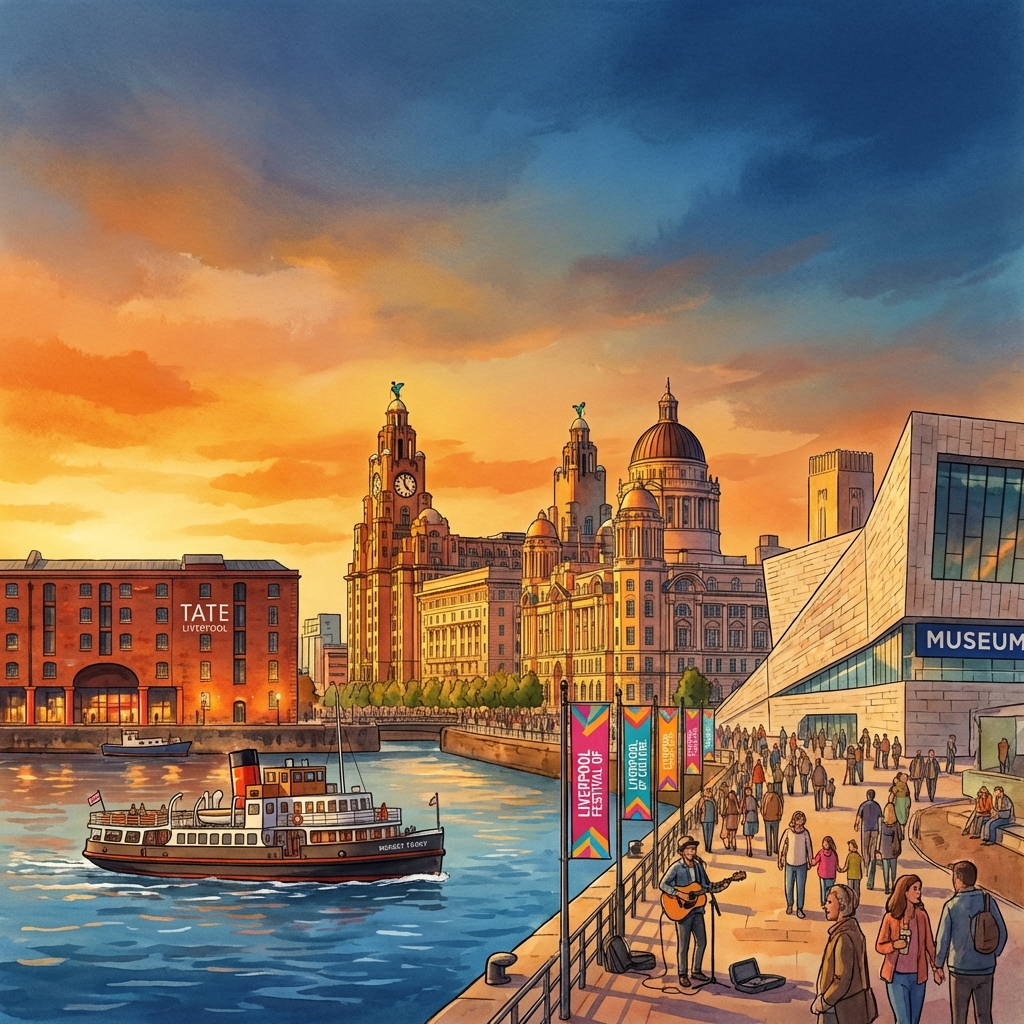
Architecture: The Three Graces
Liverpool's waterfront—Pier Head—features iconic "Three Graces" buildings:
Royal Liver Building (1911)
Two clock towers topped by Liver Birds (mythical symbols of Liverpool). Iconic skyline image.
Cunard Building (1916)
Former Cunard Line HQ (shipping company). Renaissance Revival style, ornate details.
Port of Liverpool Building (1907)
Edwardian Baroque, dome-topped. Former Mersey Docks offices.
Together: UNESCO World Heritage Site (2004-2021, delisted due to overdevelopment but architectural significance unchanged).
Regeneration: Modern Liverpool
Liverpool ONE
Opened: 2008
What: £920 million open-air shopping district, 170+ stores
Impact: Revitalized retail, transformed city center, controversial (chain-heavy)
Baltic Triangle
Former: Industrial warehouses
Now: Creative quarter—artist studios, independent bars, galleries, street art
Gentrification Tensions: Rising rents threaten affordability
Ropewalks
What: Bohemian quarter—independent shops, cafes, nightlife
Vibe: Students, artists, alternative culture
Football Culture
Liverpool without football? Unthinkable.
Liverpool FC
Stadium: Anfield (capacity 61,000)
Anthem: "You'll Never Walk Alone" (goosebump-inducing)
Success: 19 league titles, 6 European Cups
Global Fanbase: Millions worldwide
Stadium Tour: Museum, trophy room, pitch access, dressing rooms. Emotional even for non-fans.
Everton FC
Stadium: Goodison Park (capacity 39,000)
Identity: "Blue" half of city (Liverpool = "Reds")
Passionate: Historic club (founded 1878), loyal fanbase
New Stadium: Bramley-Moore Dock (opening 2025), waterfront location
Derby Days
Merseyside Derby (Liverpool vs Everton): Intense but friendly—families split, neighbors divided, but violence rare. Passion without hatred.
Match Day Culture
Pubs fill hours before kick-off, chants echo streets, scarves everywhere. Community bonding ritual.
Literary Liverpool
Beryl Bainbridge (1932-2010):
Novelist, Liverpool settings, darkly comic observations of working-class life.
Roger McGough (born 1937):
Poet, "Liverpool Poets" movement, accessible verse, Liverpool voice.
Helen Forrester (1919-2011):
Twopence to Cross the Mersey — poverty memoirs, 1930s Liverpool, heartbreaking/inspiring.
Writing Liverpool Festival: Annual celebration, author talks, workshops.
Food & Drink
Scouse Cuisine
Scouse (the dish): Lamb/beef stew, vegetables, hearty. Working-class staple.
Wet Nelly: Bread pudding dessert, sweet/sticky.
Chinese Liverpool:
Europe's oldest Chinatown (since 1834). Nelson Street arch, authentic restaurants.
Bold Street
Liverpool's bohemian heart: independent cafes, vegan options (Mowgli, The Egg Cafe), vintage shops, cultural hub.
Baltic Triangle Food
Baltic Market: Street food hall, craft beer, weekend vibes.
Festivals & Events
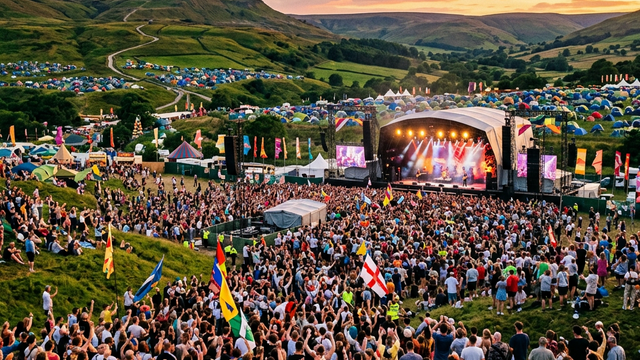
Liverpool International Music Festival (LIMF)
When: July
Where: Sefton Park
Attendance: 50,000
What: Free festival, diverse lineup (R&B, pop, indie)
Africa Oyé
When: June
What: UK's largest free African music festival, Sefton Park, 50,000+ attendance, celebrating African/Caribbean culture
Liverpool Biennial
When: October-November (biennial)
What: Contemporary art citywide, 100+ artists, installations in public spaces, galleries
Liverpool Comedy Festival
When: October
What: Stand-up across city venues
European Capital of Culture: 15-Year Legacy
2008 was transformative. What did it achieve?
Economic Impact:
£4 billion investment, tourism doubled (28M → 61M visitors by 2023), 9,000+ full-time jobs created.
Cultural Infrastructure:
Museums upgraded, venues improved, Echo Arena built (11,000 capacity concert hall).
Confidence Boost:
Liverpool reimagined itself—no longer "declined industrial city," now "thriving cultural destination."
Challenges:
Waterfront overdevelopment → UNESCO delisting (2021). Gentrification → affordability concerns. But legacy endures: Liverpool remains culturally confident, ambitious.
Practical Guide
Getting There
Lime Street Station: London 2h 15min, Manchester 45min
Liverpool John Lennon Airport: Budget flights (Ryanair, easyJet)
Merseyrail: Local train network (waterfront, suburbs easily connected)
Walking Tours
Beatles Tour: Essential even if cliché—Cavern Quarter, childhood homes
Waterfront Architecture: Three Graces, Albert Dock, modern buildings
Street Art Trail: Baltic Triangle murals, Banksy works
Weekend Itinerary
Day 1:
- Morning: Albert Dock museums (Tate Liverpool, Maritime Museum, Slavery Museum—allow 4-5 hours)
- Lunch: Baltic Triangle (Baltic Market street food)
- Afternoon: Beatles Story (£18, 2 hours)
- Evening: Cavern Quarter (Cavern Club live music, Beatles atmosphere)
Day 2:
- Morning: Walker Art Gallery (FREE, 2 hours)
- Lunch: Bold Street (independent cafes, Mowgli Indian)
- Afternoon: Football stadium tour (Anfield or Goodison, £25, 90 mins)
- Evening: Everyman Theatre show (£15-30)
Day 3:
- Morning: Sefton Park (250 acres, Palm House glasshouse)
- Afternoon: Liverpool ONE shopping/exploring
- Evening: Live music (O2 Academy, Arts Club)
Accessibility
- Most museums wheelchair accessible
- Waterfront flat, easy walking
- Assistance at theatres/venues
- Accessible taxis/transport available
Community & Connection
Online
- r/Liverpool (Reddit): 90,000+ members, local insights
- Liverpool Echo: News, culture listings (liverpoolecho.co.uk)
- VisitLiverpool.com: Official tourism site
Meetups
- Liverpool Creative Meetup: Networking, all creatives
- Liverpool Film Fans: Group cinema outings
- LFC/Everton supporters clubs: Worldwide branches
References
Essential Websites
- visitliverpool.com (official tourism)
- tate.org.uk/liverpool
- liverpoolmuseums.org.uk (all city museums FREE)
- liverpoolphil.com (Philharmonic concerts)
- liverpooltheatres.com (Empire, Playhouse, Everyman)
Books
- Liverpool: Wondrous Place by Paul Du Noyer (music history)
- The Hurricane Port by Jim Phillips (maritime history)
- Twopence to Cross the Mersey by Helen Forrester (poverty memoirs)
Films/Documentaries
- Nowhere Boy (2009): John Lennon's adolescence
- Letter to Brezhnev (1985): 1980s Liverpool, romantic comedy
- Terence Davies Trilogy: Poetic Liverpool portraits (Distant Voices, Still Lives)
The Bottom Line
Liverpool refuses easy categorization. Yes, Beatles tourism funds much—but look past Cavern Club selfies. Discover museums confronting slave trade honestly, contemporary art rivaling London, theatre producing bold work, communities rebuilding from economic devastation with stubborn pride.
2008 transformed Liverpool—but the city's resilience predates Capital of Culture. This is a place that survived empire's end, deindustrialization's brutality, and emerged culturally vibrant, architecturally stunning, defiantly confident.
Visit for Beatles, stay for everything else. Liverpool rewards depth.
See you on the Mersey.
Timothy Canon
History & Literature CriticAn expert contributor to the Social for Life community, sharing insights on culture and beyond.