
Leicester: From Richard III to Diwali Lights

Leicester: From Richard III to Diwali Lights
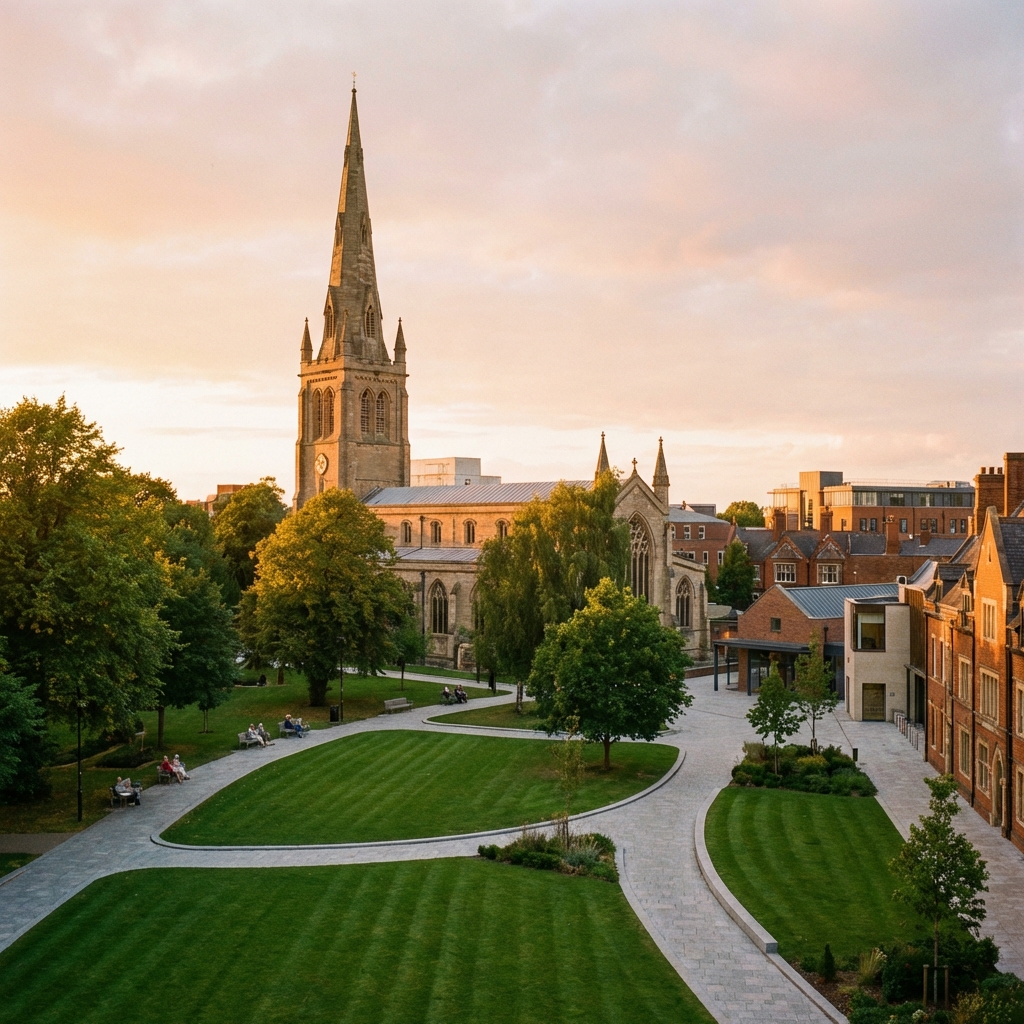
In 2012, archaeologists excavating beneath a Leicester council car park uncovered human remains. DNA tests confirmed: King Richard III, killed at Battle of Bosworth (1485), missing for 527 years. The Guardian headline: "A king in the car park"—unlikely archaeological triumph that made Leicester globally famous.
But Leicester's real story isn't medieval kings. It's Britain's first "majority-minority" city (2011 census: white British became minority), where Diwali celebrations rival India, where 60+ languages are spoken, where diversity isn't policy—it's lived reality.
The statistics: 368,000 residents, 60% non-white British, largest Diwali celebration outside India (40,000+ attendees), national space center, Leicester City FC's 5,000-1 Premier League miracle (2016). But numbers miss Leicester's essence: genuine multiculturalism that works, working-class city that embraced immigration when others resisted, surprising discoveries (literal and metaphorical) at every turn.
This guide explores Leicester beyond headlines: Richard III's extraordinary discovery, Diwali's spectacular lights, space heritage, football miracle, and why Britain's most diverse city matters.
Richard III: King Found in Car Park
The 2012 Discovery
August 2012: University of Leicester archaeologists began excavating beneath Leicester City Council car park (Grey Friars). Historical records suggested Richard III was buried at Greyfriars Church (destroyed 1538), but exact location unknown.
First day: Found human skeleton, feet missing (likely cut by Victorian builders). Initial signs promising—spinal curvature (Richard had scoliosis), battle wounds to skull.
DNA testing: Compared to Michael Ibsen (Canadian carpenter, Richard's descendant through female line). Match confirmed. After 527 years, Richard III found.
February 2013: University announced findings. Global media frenzy. Leicester suddenly famous for archaeology, not just Gary Lineker.
King Richard III Visitor Centre
Opened 2014, built on exact discovery site:
- Excavation site visible: See where skeleton lay (marked on floor)
- Life story: Richard's reign, Battle of Bosworth, Tudor propaganda vs reality
- Detective work: How archaeologists identified remains
- Reburial: 2015 ceremony, Leicester Cathedral, global attention
- Interactive exhibits: Reconstruction of Richard's face, battle wounds explained
Entry: £10.95 adults. Excellent—combines archaeology, history, detective story.
Leicester Cathedral: Richard's Final Resting Place
2015: Richard III reinterred at Leicester Cathedral with full ceremony. His tomb (designed by architects, stonemasons): simple Yorkshire stone, dignified, marks end of 500-year mystery.
Weekly tomb tours FREE, cathedral admission FREE. Surprisingly moving—king killed in battle, lost for centuries, finally respected.
Diwali: Britain's Biggest Celebration
Belgrave Road: The Golden Mile
Leicester's Belgrave Road = "Golden Mile": Indian/Pakistani shops, restaurants, sari boutiques, jewelry stores stretching mile north from city center.
This isn't "Little India" tourist attraction—it's working commercial district serving Leicester's large South Asian community (Indians, Pakistanis, Bangladeshis make up 37% of Leicester population).
Diwali Lights Switch-On
Every October/November (dates vary—Hindu lunar calendar), Leicester hosts largest Diwali celebration outside India:
- 40,000+ people attend lights switch-on
- Belgrave Road transformed: decorative lights, rangoli patterns, performances
- 6,000+ lights illuminate mile-long stretch
- Stage performances: Bollywood dance, classical Indian music
- Street food: Samosas, pakoras, jalebis, traditional sweets
- Fireworks finale
Why Leicester? 1970s saw large-scale Ugandan Asian immigration (Idi Amin expelled Asians 1972). Many settled Leicester, established businesses, built community. Today, their children/grandchildren maintain traditions while shaping modern Leicester.
Melton Road & Community Cohesion
Leicester's multiculturalism isn't accident—it's deliberate community-building. Unlike some UK cities with segregated ethnic enclaves, Leicester's different communities interact, integrate, coexist.
The secret? Economic opportunity (thriving businesses), community leadership, celebration of differences rather than forced assimilation.
National Space Centre: Britain's Rocket Tower
Leicester's Space Connection
Leicester has space heritage:
- University of Leicester: Department of Physics & Astronomy builds instruments for Mars rovers, X-ray telescopes
- Space research: Contributed to Beagle 2 (Mars lander), ESA missions
National Space Centre
Britain's largest planetarium, distinctive 42-meter rocket tower visible across city:
- Rocket displays: Blue Streak, Thor Able, actual rockets suspended in tower
- Planetarium shows: 360° dome, space exploration
- Interactive galleries: Space Station, rocket science, astronomy
- Challenger Learning Centre: Simulated space missions for school groups
- Space exhibits: Moon rock, meteorites, spacecraft
Entry: £16.50 adults, family tickets available. Excellent for kids, adults appreciate science.
Leicester City FC: The 5,000-1 Miracle
2015-16 Season: Greatest Underdog Story
Pre-season odds: 5,000-1 to win Premier League (same odds as finding Elvis alive or Loch Ness Monster being real).
2014-15: Leicester narrowly avoided relegation (finished 14th, Great Escape).
2015-16: Under manager Claudio Ranieri ("Tinkerman"), Leicester topped the table by Christmas. Pundits predicted collapse. Didn't happen.
May 2, 2016: Tottenham drew 2-2 with Chelsea, meaning Leicester mathematically won title. Celebrations erupted—working-class city, unfashionable club beat football's elite.
Victory parade: 240,000 people lined streets (two-thirds of city population). Jamie Vardy (striker, formerly non-league player earning £30/week), N'Golo Kanté (midfielder, later Chelsea/France star), Kasper Schmeichel (goalkeeper, Peter Schmeichel's son)—team of castoffs and bargains won against billion-pound squads.
King Power Stadium
32,000 capacity, home since 2002. Matchday atmosphere electric—working-class fans, genuine community club, not corporate sanitized experience.
Stadium tour available (£18): Dressing rooms, tunnel, trophy room with Premier League trophy.
Cultural Attractions & Museums
New Walk Museum & Art Gallery
FREE admission, excellent collection:
- Ancient Egyptian: Mummies, sarcophagi, artifacts
- Dinosaurs: Natural history, Rutland Sea Dragon (ichthyosaur found nearby)
- Fine art: European paintings, British landscapes
- German Expressionism: Strong collection (unusual for regional UK museum)
Jewry Wall
Roman Leicester (Ratae Corieltauvorum): Jewry Wall = remains of 2nd-century Roman baths, still standing 1,800+ years later. FREE access, adjacent museum displays Roman finds.
Leicester Market
Britain's largest covered market (270+ stalls): fruit, vegetables, meat, fish, fabrics, household goods. Operating since 1299 (over 700 years). Reflects Leicester's diversity—Indian grocers, Caribbean food, Polish delicatessen.
University City
University of Leicester
Founded 1921, 17,000+ students:
- Strong science/archaeology reputation (Richard III discovery boosted profile)
- Space research internationally recognized
- Medical school, law, business
- Campus south of city center, Victoria Park adjacent
De Montfort University
Founded 1992, 27,000+ students:
- City-center campus
- Fashion, design, performing arts strengths
- Student diversity reflects Leicester demographics
Combined 44,000+ students = 12% of city population, keeping Leicester youthful.
Getting There & Around
Train: Leicester Station (1 hour from London, 30 mins from Nottingham, 45 mins from Birmingham)
Road: M1, M69, A6
Local transport:
- Buses: Extensive network, day ticket £4.50
- Walking: Compact city center, King Richard III trail walkable
- Cycling: Flat terrain, improving bike lanes
Practical Tips
- Richard III Centre: Book ahead online (cheaper), allow 2 hours
- Diwali timing: Check dates (October/November, varies annually)
- Space Centre: Worth half-day, planetarium shows timed entry
- Golden Mile food: Cheap, authentic, vegetarian-friendly (large Jain/Hindu community)
- Budget: Very affordable—cheaper than Birmingham/Nottingham
- Parking: Park-and-ride recommended (city center confusing)
Why Leicester Matters
Leicester challenges British narratives about immigration, multiculturalism, working-class cities. Where other cities saw ethnic tension, Leicester achieved genuine integration. Where others resisted change, Leicester embraced diversity as economic/cultural strength.
What makes Leicester essential? Archaeological miracles (literal king in car park), Diwali celebrations showing multiculturalism works, football fairytale proving underdogs can win, space heritage in unlikely location, and lived diversity that's ordinary, not exceptional.
This isn't idealized multiculturalism or government-mandated diversity. Leicester's integration happened organically—through shared spaces (markets, schools, football), economic interdependence, community leaders building bridges, and refusal to let difference become division.
Visit for Richard III. Stay for Diwali lights, space center, understanding how Britain's most diverse city actually works.
References & Resources
Essential websites:
Richard III & Heritage:
Attractions:
Culture & Community:
Ruth Naomi
Community & Lifestyle LeadRuth is passionate about uncovering the stories that connect communities and celebrate local culture.