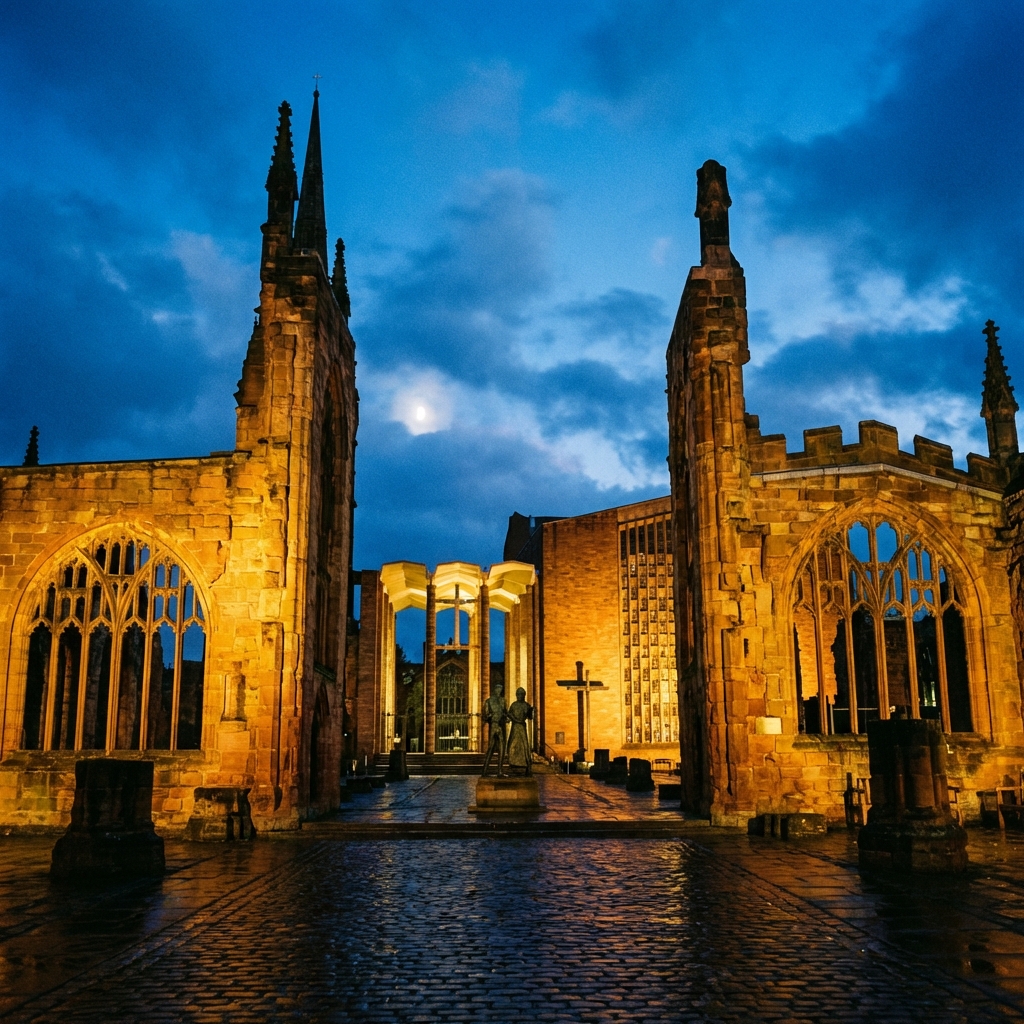

St. Patrick's Day 2026: Celebrating Irish Culture in the UK

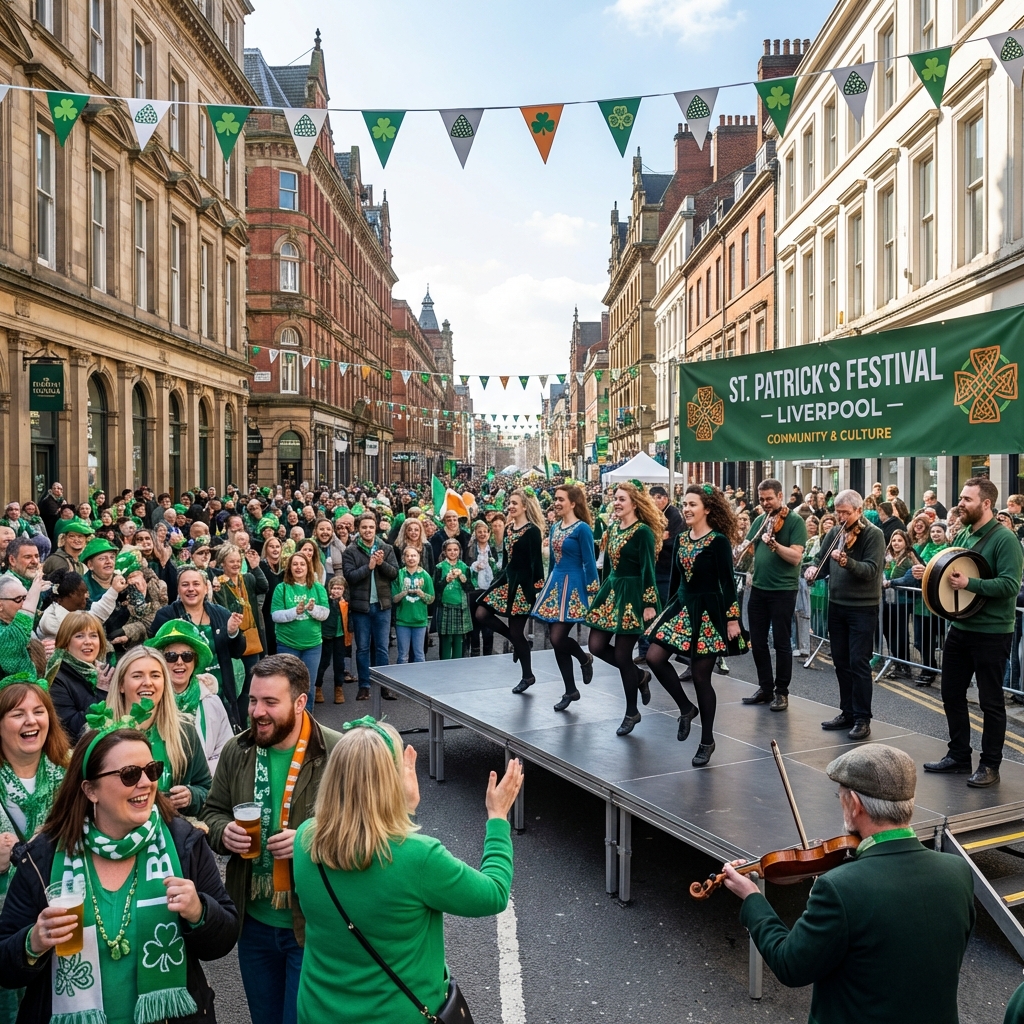
Céad Míle Fáilte: St. Patrick's Day 2026 is March 17!
Every year on March 17th, millions across the globe celebrate St. Patrick's Day—Ireland's national day honoring its patron saint. In 2026, expect UK cities to turn green with vibrant parades, traditional Irish music, spirited dance performances, and plenty of Guinness flowing. This is a joyful celebration of Irish culture, heritage, and the significant Irish diaspora living in Britain.
St. Patrick's Day is much more than shamrocks and green beer. It's a day rich in history, cultural pride, and community spirit—a chance to honor Ireland's contributions to British culture while celebrating the unique identity of the Irish people worldwide.
Who Was St. Patrick?
The Real Man Behind the Legend
St. Patrick (c. 385-461 AD) is Ireland's most famous patron saint, but contrary to popular belief, he wasn't Irish—he was Romano-British. Born in Britain (likely Wales or Scotland), his birth name was Maewyn Succat.
At age 16, Patrick was kidnapped by Irish raiders and enslaved in Ireland for six years, working as a shepherd. During his captivity, he turned to Christian faith for comfort. After escaping and returning home, he experienced visions calling him back to Ireland as a missionary.
Patrick returned to Ireland around 432 AD and spent the next three decades converting the Irish to Christianity, establishing churches, schools, and monasteries. He famously used the three-leaved shamrock to explain the Christian concept of the Holy Trinity (Father, Son, and Holy Spirit)—three persons in one God.
Myths vs. Reality
Myth: Patrick drove snakes out of Ireland. Reality: Ireland never had snakes (it's an island that became separated from mainland Europe before snakes could migrate there after the Ice Age). The "snakes" likely symbolize pagan beliefs that Patrick helped replace with Christianity.
Myth: March 17 is his birthday. Reality: March 17 is believed to be the date of his death, around 461 AD. It became a feast day celebrating his life and legacy.
The History of St. Patrick's Day
Religious Feast Day to Global Celebration
St. Patrick's Day began as a religious feast day in Ireland, with families attending church and then gathering for modest meals. For centuries, it remained primarily a religious observance.
The modern, festive St. Patrick's Day largely evolved among Irish immigrants in the United States during the 18th and 19th centuries. These immigrants wanted to celebrate their heritage and maintain connections to Ireland. The first St. Patrick's Day parade was held in New York City in 1762 by Irish soldiers serving in the British army.
Ireland itself made St. Patrick's Day a public holiday in 1903, but pubs were closed on the religious feast day until the 1970s! The modern, vibrant parades and pub celebrations came later, influenced by the Irish-American traditions that had evolved overseas.
The Wearing of the Green
Wearing green on St. Patrick's Day became a symbol of Irish identity and heritage. In the 19th century, it also represented support for Irish independence from British rule—green was associated with Irish nationalism, while orange represented Protestant unionism (hence the Irish flag's green, white, and orange).
The Irish in Britain: A Deep Connection
Immigration and Influence
The Irish diaspora has profoundly shaped British culture. Major waves of Irish immigration occurred during:
- The 1840s Potato Famine: Over 1 million Irish died; another million emigrated, many to Britain
- Early-mid 20th century: Economic opportunities drew Irish workers to British cities
- Post-WWII reconstruction: Irish labor helped rebuild Britain
Today, over 500,000 people in Britain identify as Irish-born, with millions more of Irish descent. Cities like London, Birmingham, Liverpool, Manchester, and Glasgow have thriving Irish communities.
Irish Contributions to British Culture
Literature: Oscar Wilde, W.B. Yeats, James Joyce, Samuel Beckett, Seamus Heaney, and countless others
Music: From The Pogues to Thin Lizzy, from U2 to traditional Irish music sessions in British pubs
Infrastructure: Irish laborers built much of Britain's railways, roads, and buildings in the 19th-20th centuries
Politics & Labor: Irish immigrants were instrumental in British labor movements and unions
St. Patrick's Day Across the UK (2026)
London: Sunday, March 15, 2026
London hosts one of Europe's largest St. Patrick's Day festivals, with celebrations typically held the Sunday before March 17.
The Parade:
- Route: Hyde Park Corner to Trafalgar Square
- Features: Irish marching bands, dancers, colorful floats, pageantry
- Free to watch, draws tens of thousands
- Priority for Irish community groups and businesses
Trafalgar Square Festival:
- Irish music performances (traditional and modern)
- Dance shows and workshops
- Food stalls serving Irish cuisine
- Cultural exhibitions
Historical Note: London has celebrated St. Patrick's Day for over a century, with early concerts organized by the Gaelic League in the 1890s. Modern large-scale parades began after WWII, with the current format launched in 2002.
Check london.gov.uk for 2026 details.
Birmingham: March 12-17, 2026
Birmingham hosts Britain's first and one of the world's largest St. Patrick's Day parades (outside NYC and Dublin).
The Parade (1952-present):
- Approximately 3km route through city center
- Organized by Birmingham Irish Association
- Celebrates Irish culture AND Birmingham's multiculturalism
- Diverse community groups participate
Week-Long Festivities: Five Points South district hosts events from March 12-17, including music, dance, food, and cultural activities.
Registration for participants typically opens in January. Visit stpatsparade.co.uk for details.
Manchester: Status Uncertain for 2026
Note: As of January 2026, reports indicate the Manchester St. Patrick's Day Parade may be **canceled** due to route disagreements—only the third time in 30 years.
However, Manchester typically extends celebrations over two weeks with an authentic Irish market and cultural events. Check local Manchester event listings for confirmation of 2026 plans.
Liverpool: Major Celebrations Expected
With deep Irish roots (many Liverpudlians have Irish ancestry), Liverpool celebrates with:
- Parades through city center
- Traditional music sessions in pubs
- Céilí (Irish social dancing) events
- City landmarks lit up in green
Glasgow & Edinburgh
Scotland's cities, with significant Irish populations, host:
- Parades and street festivals
- Traditional Irish music concerts
- Cèilidh dancing (Scottish-Irish folk dancing)
- Pub celebrations
Irish Culture: Music, Dance, and Food
Traditional Irish Music
Irish music features distinctive instruments and styles:
Instruments:
- Fiddle: Violin played in Irish traditional style
- Tin whistle: Simple metal flute
- Uilleann pipes: Irish bellows-blown bagpipes
- Bodhrán: Frame drum played with a stick
- Accordion and concertina
Genres:
- Traditional folk: Reels, jigs, hornpipes
- Sean-nós singing: Unaccompanied traditional singing
- Modern interpretations: The Chieftains, Dubliners, Planxty
Irish Dance
From traditional céilí dancing (community social dances) to modern Riverdance-style performances, Irish dance is characterized by:
- Rapid leg and foot movements
- Stationary upper body and arms
- Intricate footwork and timing
Traditional Irish Food
Irish Stew: Lamb or mutton with potatoes, onions, and carrots—hearty comfort food
Colcannon: Mashed potatoes with kale or cabbage, butter, and cream
Soda Bread: Traditional bread made with bicarbonate of soda instead of yeast
Boxty: Potato pancakes, crispy outside and soft inside
Coddle: Dublin dish of sausages, bacon, potatoes, and onions
Guinness Stew: Beef stew made with Ireland's famous stout
How to Celebrate St. Patrick's Day
Wear Green (Obviously!)
Embrace the tradition! Wear green clothing, shamrock pins, or accessories. Some go all out with leprechaun hats and novelty items—it's all in good fun.
Attend a Parade or Festival
Check your local council or Irish cultural center for events. Most parades are free to watch and family-friendly.
Try Traditional Irish Food
Cook Irish stew at home, visit an authentic Irish pub for traditional fare, or try making soda bread from scratch.
Listen to Irish Music
Explore traditional Irish music on streaming services, or better yet, attend a live session at an Irish pub. Many pubs host traditional music nights year-round, with special performances on St. Patrick's Day.
Learn Some Irish Phrases
Impress your friends with a bit of Irish Gaelic:
- Céad míle fáilte (kayd meela fahl-cha) – A hundred thousand welcomes
- Sláinte (slawn-cha) – Cheers! / To your health!
- Lá Fhéile Pádraig sona duit (law ale-eh paw-drig sun-ah ditch) – Happy St. Patrick's Day to you!
- Go raibh maith agat (guh rev mah ah-gut) – Thank you
Support Irish Culture
- Visit Irish cultural centers or museums
- Read Irish authors (modern and classic)
- Learn about Irish history beyond stereotypes
- Support Irish-owned businesses
Beyond Stereotypes: Understanding Irish Identity
While St. Patrick's Day celebrations are joyful and fun, it's important to celebrate Irish culture respectfully and avoid reducing it to leprechauns and drunkenness. Irish culture is rich with:
- Literary brilliance (4 Nobel Prize winners for Literature)
- Complex, tragic, and resilient history
- Beautiful language, music, and art
- Strong community bonds and hospitality
Celebrate the real Ireland—not caricatures.
References
St. Patrick's Day Events
Irish History and Culture
- Encyclopaedia Britannica – St. Patrick's Day History
- Irish in Britain – Cultural Organization
- Historic UK – St. Patrick's Day Traditions
Travel and Tourism
Theodore Charles
Culture & Entertainment EditorLover of disco events, live music, and tabletop games. Ted believes in the power of play to bring people together.

The Commodore 64: The Computer That Defined a Generation