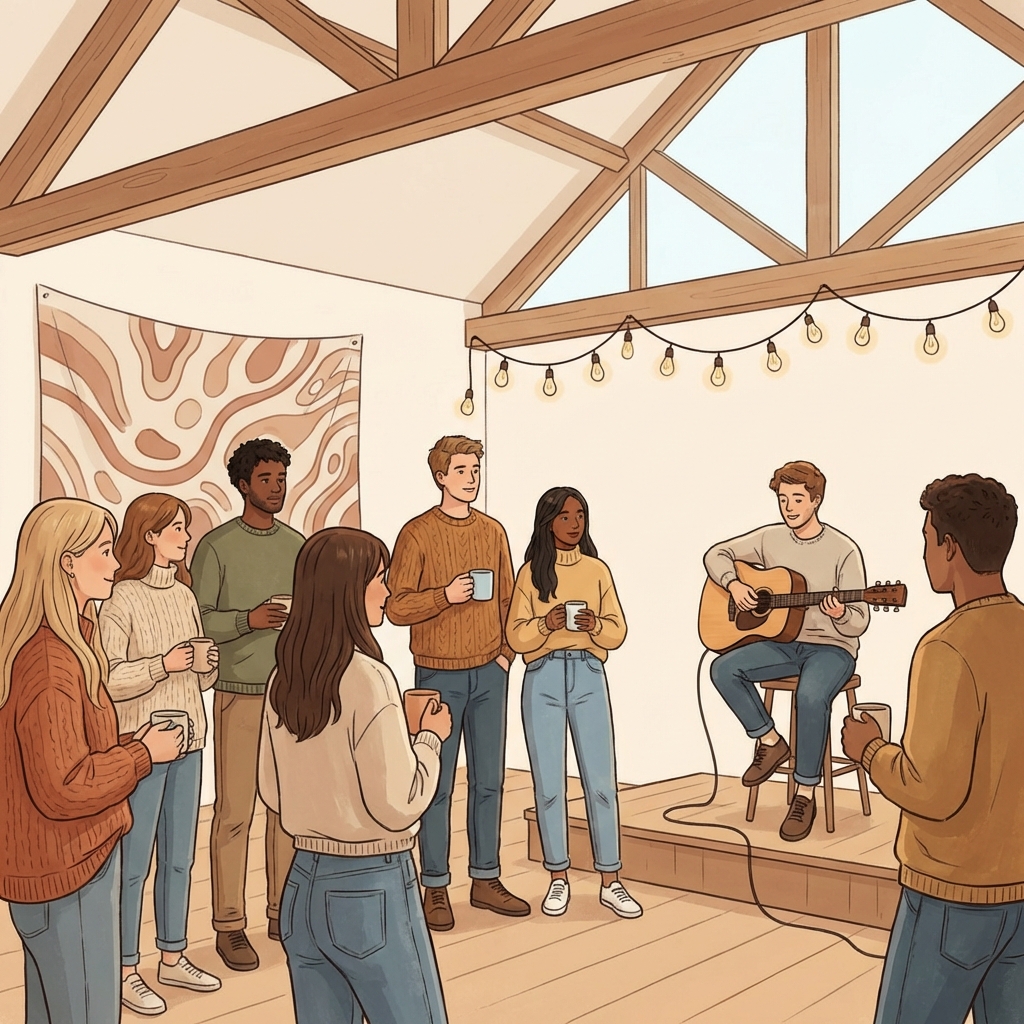
In an age of global connectivity, why are people increasingly seeking local, in-person connections? Explore the surprising trend of hyperlocal communities and what it means for the future of social interaction.
Introduction: A Paradox of Our Time
We live in the most connected era in human history. With a few taps on a smartphone, we can video call someone on the other side of the planet, join online communities with thousands of members, or follow the daily lives of people we've never met. Yet, despite—or perhaps because of—this unprecedented global connectivity, something remarkable is happening: people are increasingly turning their attention to their immediate surroundings, seeking meaningful connections with neighbors, local businesses, and community groups.
This isn't a rejection of technology or a nostalgic retreat to the past. Rather, it's a sophisticated response to the unique challenges of modern life, a rebalancing of the scales between the global and the local, the digital and the physical, the virtual and the visceral.
The Loneliness Epidemic in a Connected World
The irony of our hyperconnected age is that rates of loneliness and social isolation have never been higher. Studies across developed nations show that despite having more "friends" and "followers" than ever before, people report feeling more disconnected, less understood, and increasingly lonely.
This phenomenon, sometimes called the "loneliness epidemic," has been recognized by health organizations worldwide as a serious public health concern. Research shows that chronic loneliness has health impacts comparable to smoking 15 cigarettes a day, increasing risks of cardiovascular disease, depression, and cognitive decline.
The Digital Connection Paradox
How did we get here? The answer lies in understanding the nature of digital connections versus physical ones. Online interactions, while valuable, often lack the depth and richness of face-to-face encounters. We miss the subtle cues of body language, the warmth of physical presence, and the spontaneous moments that create genuine bonds.
Moreover, social media platforms, designed to maximize engagement, often encourage comparison rather than connection, performance rather than authenticity. The carefully curated highlight reels we see online can leave us feeling inadequate and more isolated, even as we scroll through hundreds of "friends."
The Rise of Hyperlocal Communities
Against this backdrop, a counter-movement has emerged: the renaissance of local communities. From neighborhood WhatsApp groups to local hobby clubs, from community gardens to street festivals, people are rediscovering the value of knowing their neighbors and engaging with their immediate surroundings.
What Makes a Community "Hyperlocal"?
Hyperlocal communities are characterized by their geographic specificity and focus on immediate, tangible connections. Unlike broad online communities that might span continents, hyperlocal groups are rooted in specific neighborhoods, towns, or even streets. They're built around shared physical spaces and face-to-face interactions.
These communities take many forms:
- Neighborhood associations that organize local events and address community concerns
- Local hobby groups bringing together people with shared interests in specific areas
- Community gardens where neighbors collaborate to grow food and build relationships
- Local business networks supporting independent shops and services
- Street parties and block events celebrating local culture and connection
Why Now? Understanding the Drivers
Several converging factors have contributed to this local community renaissance:
The Pandemic Effect
The COVID-19 pandemic fundamentally changed how we think about community. Lockdowns and travel restrictions forced people to focus on their immediate surroundings. Many discovered neighbors they'd never met, local parks they'd never visited, and community resources they'd never utilized.
This enforced localism revealed something important: much of what we need for a fulfilling life exists within walking distance. The pandemic didn't create the desire for local community—it simply removed the distractions that had prevented us from seeing what was already there.
Environmental Consciousness
Growing awareness of climate change has led many to reconsider their consumption patterns and lifestyle choices. Supporting local businesses, reducing travel, and building resilient local networks aren't just environmentally responsible—they're also socially enriching.
The concept of the "15-minute city," where all essential services are within a short walk or bike ride, has gained traction among urban planners and residents alike. This vision of urban life naturally fosters stronger local communities.
Digital Fatigue
After years of increasing screen time, many people are experiencing digital burnout. The constant notifications, the pressure to maintain online personas, and the addictive nature of social media have led to a growing desire for more authentic, offline experiences.
This doesn't mean abandoning technology—rather, it's about using it more intentionally. Many successful local communities leverage digital tools for coordination while prioritizing in-person interaction for actual community building.
The Benefits of Local Community Engagement
The renaissance of local communities isn't just a feel-good trend—it delivers tangible benefits for individuals and society:
Mental and Physical Health
Research consistently shows that people with strong local social connections experience better mental health, lower stress levels, and even longer lifespans. The sense of belonging that comes from being part of a local community provides a buffer against life's challenges.
Local communities also encourage physical activity. Whether it's walking to a neighborhood café, participating in a local sports league, or tending a community garden, hyperlocal engagement naturally incorporates movement into daily life.
Economic Resilience
Strong local communities create economic benefits. Money spent at local businesses circulates within the community, creating a multiplier effect. Local networks also provide informal support systems—neighbors helping neighbors with childcare, repairs, or professional connections.
During economic downturns, communities with strong local ties prove more resilient, with members supporting each other through difficult times.
Safety and Security
Neighborhoods with active community engagement typically experience lower crime rates. When people know their neighbors and look out for each other, informal surveillance and mutual support create safer environments.
This isn't about creating insular, suspicious communities, but rather fostering the kind of familiarity and trust that naturally deters crime and helps vulnerable community members.
Technology as an Enabler, Not a Replacement
Interestingly, technology plays a crucial role in the local community renaissance—but in a different way than we might expect. Rather than replacing face-to-face interaction, digital tools are being used to facilitate and enhance local connections.
The New Role of Social Platforms
Platforms like Nextdoor, local Facebook groups, and community apps help neighbors discover each other and coordinate activities. They're particularly valuable for newcomers to an area or people looking to expand their local networks.
However, the most successful uses of these platforms treat them as coordination tools rather than destinations. The goal isn't to build online relationships, but to facilitate offline ones.
Hybrid Communities
The future of local community likely lies in hybrid models that combine the best of digital and physical interaction. Online platforms can help organize events, share information, and maintain connections between in-person gatherings, while face-to-face meetings provide the depth and richness that digital interaction can't replicate.
Challenges and Obstacles
Despite the growing interest in local communities, several challenges remain:
Time Poverty
Modern life is busy. Between work, family obligations, and personal responsibilities, many people struggle to find time for community engagement. Building local connections requires time investment, which can feel like a luxury when you're already stretched thin.
However, advocates argue that community engagement isn't an addition to an already full life—it's a reorganization of priorities that ultimately makes life more manageable and enjoyable.
Mobility and Transience
In many urban areas, high mobility rates make it difficult to build lasting local communities. When people move frequently, the investment in local relationships can feel futile.
Yet even temporary community engagement has value. The skills and habits developed through local involvement are portable, and even short-term connections can be meaningful.
Inequality and Exclusion
Not all communities are equally accessible or welcoming. Issues of class, race, and other forms of social division can create barriers to participation. Building truly inclusive local communities requires conscious effort and ongoing attention to equity.
Building Your Own Local Community
Inspired to strengthen your local connections? Here's how to start:
Start Small and Specific
Don't try to revolutionize your entire neighborhood overnight. Begin with something manageable: introduce yourself to a neighbor, attend a local event, or join a community group focused on an interest you already have.
Be Consistent
Community building requires showing up repeatedly. Whether it's a weekly coffee shop visit, a monthly book club, or a regular volunteer commitment, consistency helps you become a familiar face and build deeper connections.
Contribute Before You Extract
Approach community engagement with a mindset of contribution rather than consumption. What can you offer? Maybe it's organizing skills, a spare room for meetings, or simply enthusiasm and willingness to help.
Embrace Diversity
Local communities are strongest when they're inclusive and diverse. Seek out opportunities to connect with people different from yourself. These cross-cutting relationships create resilient, dynamic communities.
The Future of Local Communities
As we look ahead, several trends suggest that the local community renaissance will continue and evolve:
The Rise of Third Places
Sociologist Ray Oldenburg coined the term "third places" to describe social spaces beyond home (first place) and work (second place). Coffee shops, libraries, parks, and community centers serve this crucial role, and we're seeing renewed investment in creating and maintaining these spaces.
Intentional Community Design
Urban planners and developers are increasingly incorporating community-building features into new developments: shared gardens, communal spaces, car-free zones, and mixed-use neighborhoods that encourage interaction.
The Glocal Mindset
Rather than choosing between local and global, many people are adopting a "glocal" mindset—thinking globally while acting locally. This approach recognizes that local actions can have global impacts and that global awareness can inform local choices.
Conclusion: The Power of Place
The renaissance of local communities in our global world isn't a contradiction—it's a necessary correction. As we've discovered the limits of purely digital connection, we're rediscovering the irreplaceable value of physical proximity, shared spaces, and face-to-face interaction.
This doesn't mean abandoning the benefits of global connectivity. Rather, it's about achieving balance, using technology to enhance rather than replace human connection, and recognizing that the most meaningful aspects of life often happen in the most local of contexts.
The future isn't about choosing between the local and the global, the digital and the physical. It's about integrating them thoughtfully, creating lives that are both globally aware and locally rooted, digitally connected and physically present.
Your local community is waiting for you. The question isn't whether to engage, but how. What will your contribution be? How will you help write the next chapter in your community's story?
Join Social for Life to discover local groups, events, and opportunities to connect with your community. Because the best way to change the world might just be to start with your neighborhood.