
International Women's Day 2026: Celebrating Women Who Changed the World
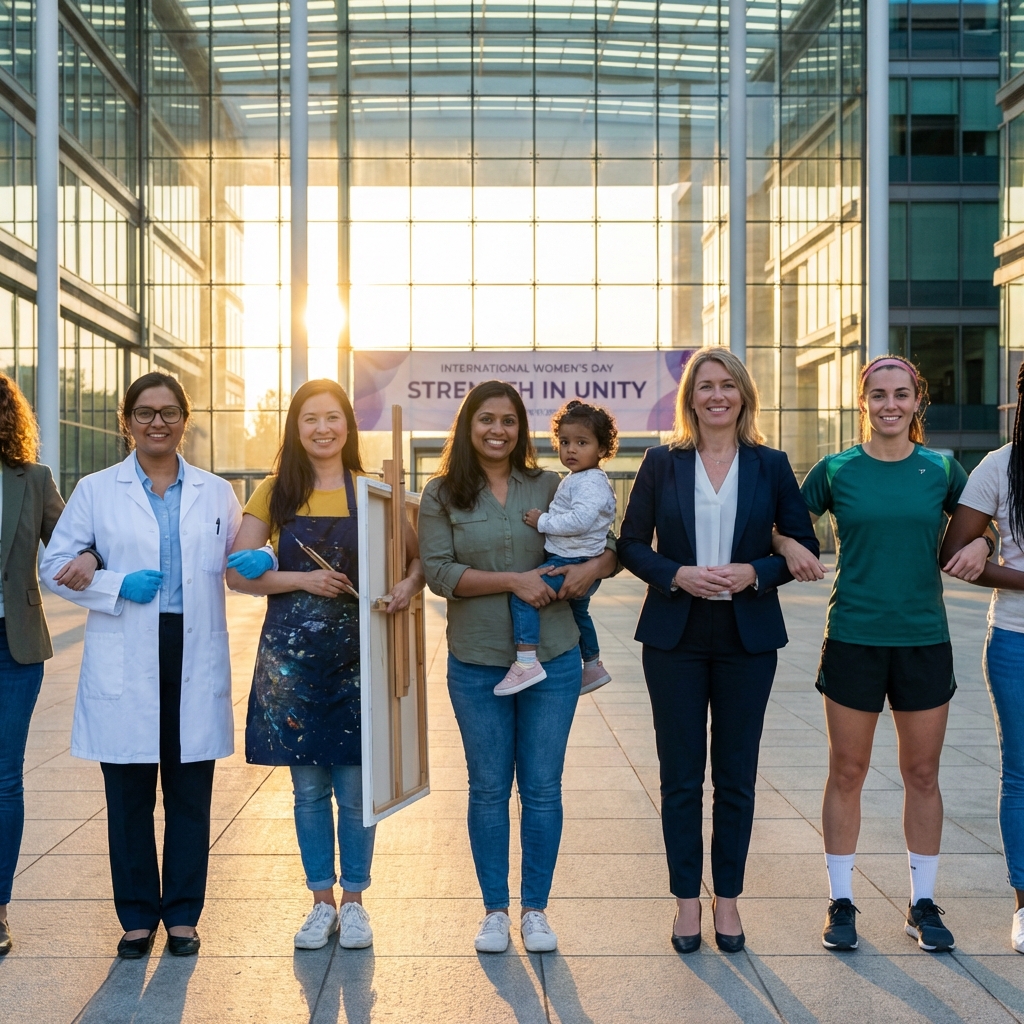
March 8, 2026: A Global Celebration of Women's Achievements
On Sunday, March 8, 2026, people across the globe will celebrate International Women's Day (IWD)—a day to honor women's social, economic, cultural, and political achievements while calling for accelerated gender equality. With the 2026 themes "Give to Gain" and "Rights. Justice. Action. For ALL Women and Girls," this year's celebration emphasizes that supporting women benefits everyone and demands systemic change for true equality.
International Women's Day is not just a celebration—it's a call to action. It's a reminder that while progress has been made, significant challenges remain. From the gender pay gap to underrepresentation in leadership, from violence against women to unequal caregiving burdens, the fight for gender equality continues. This March, let's celebrate how far we've come and commit to the work still ahead.
The History of International Women's Day
Origins in Labor Movements (1900s-1911)
International Women's Day has its roots in early 20th-century labor movements and women's suffrage campaigns. On March 8, 1908, 15,000 women marched through New York City demanding better working conditions, shorter hours, and voting rights. This march inspired the first National Woman's Day in the US in 1909.
In 1910, at the International Conference of Working Women in Copenhagen, German socialist Clara Zetkin proposed an annual "Women's Day" to promote equal rights and suffrage. The idea was unanimously approved by over 100 women from 17 countries.
The first International Women's Day was celebrated on March 19, 1911, in Austria, Denmark, Germany, and Switzerland. Over one million people attended rallies demanding women's rights to work, vote, hold public office, and end discrimination.
UN Recognition (1975)
The United Nations officially recognized International Women's Day in 1975 during International Women's Year. Since then, March 8 has been celebrated globally, with the UN each year announcing themes addressing specific challenges women face.
Why March 8?
The date commemorates the 1908 New York City march, though it has also been linked to various women's uprisings and strikes throughout history, including the 1917 Russian women's strike that sparked the Russian Revolution.
Women Who Changed the World
UK Trailblazers
Emmeline Pankhurst (1858-1928) – Leader of the British suffragette movement who fought tirelessly for women's right to vote. Her militant tactics (including hunger strikes and property destruction) were controversial but effective. Women over 30 gained voting rights in 1918; full equality came in 1928 (shortly after her death).
Marie Stopes (1880-1958) – Pioneer of birth control and women's reproductive rights in the UK. Opened Britain's first family planning clinic in 1921, empowering women with knowledge and control over their bodies.
Margaret Thatcher (1925-2013) – First female UK Prime Minister (1979-1990). Whether you agreed with her politics or not, she shattered the glass ceiling of British leadership.
Rosalind Franklin (1920-1958) – Scientist whose X-ray crystallography work was crucial to discovering the structure of DNA. Her contributions were overlooked during her lifetime; Watson and Crick received the Nobel Prize using her data.
Mary Seacole (1805-1881) – Jamaican-British nurse who treated soldiers during the Crimean War, often purchasing medical supplies with her own money. For decades, she was overshadowed by Florence Nightingale, but her legacy is increasingly recognized.
Ada Lovelace (1815-1852) – World's first computer programmer in the 1840s, writing algorithms for Charles Babbage's Analytical Engine—a century before modern computers existed.
Global Icons
Malala Yousafzai (b. 1997) – Pakistani education activist and youngest Nobel Prize laureate. Survived Taliban assassination attempt at 15 for advocating girls' education; continues fighting globally for children's right to learn.
Rosa Parks (1913-2005) – American civil rights activist whose refusal to give up her bus seat sparked the Montgomery Bus Boycott, catalyzing the US civil rights movement.
Marie Curie (1867-1934) – First woman to win a Nobel Prize, only person to win Nobel Prizes in two different sciences (Physics 1903, Chemistry 1911). Pioneering research on radioactivity revolutionized medicine and physics.
Wangari Maathai (1940-2011) – Kenyan environmental and political activist, first African woman to win the Nobel Peace Prize (2004). Founded the Green Belt Movement, planting over 51 million trees.
The State of Gender Equality in 2026
UK Statistics: Progress and Challenges
The Gender Pay Gap:
- April 2025: 6.9% pay gap for full-time employees (down from 7.1% in 2024)
- For all employees (including part-time): 12.8%
- Women in part-time work earn 2.9% more than men in part-time roles (rare positive gap)
- Gap remains larger for those aged 40+ and in higher-paid positions
- At current pace, 30-45 years to eliminate the pay gap entirely
Workplace Equality:
- UK ranked 18th among OECD countries in PwC's Women in Work Index 2025—lowest position in a decade
- Decline attributed to slow pay gap progress and worsening employment participation rates for women
Political Representation:
- Historic achievement: 40.5% of MPs are women (263 women MPs) after 2024 general election
- Highest representation ever, but still not parity
Entrepreneurship:
- Over 150,000 new companies established by women in 2022—more than double the 2018 number
- Government initiatives like Women in Innovation Awards support female entrepreneurs
Global Challenges
- Violence against women: 1 in 3 women worldwide experience physical or sexual violence
- Child marriage: 12 million girls under 18 married each year
- Education gaps: 129 million girls out of school globally
- Unpaid care work: Women do 3x more unpaid domestic work than men
- Leadership gap: Only 10% of world leaders are women
Recent Women's Achievements (2023-2025)
Science & Academia:
- Claudia Goldin became first solo woman to win Nobel Prize in Economics (2023)
- Christina Hammock Koch set to be first woman to travel to the moon (Artemis 2 mission)
Sports:
- Tigst Assefa set new women's world marathon record (2023)
- Kirsten Neuschäfer became first woman to win Golden Globe solo sailing race
- Lucy Clark became UK's first transgender woman football referee
- Women's World Cup Final drew record viewership, showing growing support for women's sports
The 2026 Themes Explained
"Give To Gain"
This theme emphasizes that generosity and collective action drive progress. When individuals, organizations, and communities contribute to women's advancement through knowledge-sharing, advocacy, mentorship, and resources, everyone benefits. Supporting women isn't charity—it's smart economics and social progress.
"Rights. Justice. Action. For ALL Women and Girls"
The UN Women theme calls for dismantling structural barriers to equal justice. It highlights that laws alone aren't enough—we need enforcement, cultural change, and systemic reform to ensure ALL women (regardless of race, class, sexuality, disability, or background) have access to their rights.
How to Celebrate International Women's Day
Support Women-Owned Businesses
- Shop local from female entrepreneurs
- Recommend women-owned services
- Leave reviews for businesses run by women
- Choose women-created products when possible
Amplify Women's Voices
- Read books by women authors (especially women of color, LGBTQ+ women, disabled women)
- Follow women leaders, activists, and creators on social media
- Share stories of women in your community making a difference
- Recommend women for speaking opportunities, awards, and promotions
Educate Yourself and Others
- Watch documentaries on women's rights movements
- Learn about intersectional feminism (how race, class, sexuality intersect with gender)
- Discuss gender equality with children—start young!
- Challenge your own biases and assumptions
Advocate for Change
- Support organizations fighting for women's rights (donations, volunteering)
- Challenge sexism when you encounter it (safely and appropriately)
- Push for gender-equal policies in your workplace
- Mentor young women and girls
- Vote for candidates who support gender equality
In the Workplace
- Ensure women's voices are heard in meetings (don't talk over them, credit their ideas)
- Advocate for transparent pay structures
- Support flexible working for parents and carers
- Challenge "boys' club" culture
- Sponsor (not just mentor) talented women for advancement
UK Organizations Supporting Women
Rights & Advocacy
- Fawcett Society – UK's leading charity for gender equality and women's rights
- UN Women UK – UK National Committee for UN Women, hosts annual awards
Safety & Support
- Women's Aid – Domestic violence support and advocacy
- Rape Crisis England & Wales – Support for survivors of sexual violence
Youth & Education
- Girlguiding UK – Empowering girls and young women since 1909
For Men: How to Be an Ally
Gender equality isn't just a "women's issue"—it benefits everyone. Here's how men can support:
- Do your share of domestic work and childcare: Don't "help"—take equal responsibility
- Call out sexism: When other men make sexist jokes or comments, say something
- Listen more, talk less: Especially in male-dominated spaces, make room for women's voices
- Recognize your privilege: Acknowledge how being male has advantaged you
- Support women's leadership: Step back when appropriate; let women lead
- Don't expect praise for basic decency: Treating women as equals shouldn't be remarkable
Looking Forward: The Work Ahead
International Women's Day 2026 is both celebration and reminder. We celebrate the suffragettes who won the vote, the scientists who broke barriers, the activists who demanded justice. We celebrate every woman who fights daily against sexism, discrimination, and violence.
But we also acknowledge the work remaining:
- Close the pay gap
- End violence against women and girls
- Achieve equal representation in politics and leadership
- Ensure reproductive rights and bodily autonomy
- Address the intersection of gender with race, class, disability, and sexuality
- Support women globally, especially in conflict zones and oppressive regimes
Gender equality is not a zero-sum game. When women thrive, families thrive, communities thrive, economies grow, and societies become more just. Supporting women's rights isn't taking anything away from men—it's creating a better world for everyone.
References
International Women's Day
UK Gender Equality Statistics
- Office for National Statistics – Gender Pay Gap Data
- PwC – Women in Work Index 2025
- Fawcett Society – UK Gender Equality Research
UK Organizations
Ruth Naomi
Community & Lifestyle LeadEnthusiastic about gaming, sports, fitness, and the arts. Ruth explores how community activity fuels our creative and physical lives.