
Hull: City of Defiance and Reinvention

Hull: City of Defiance and Reinvention
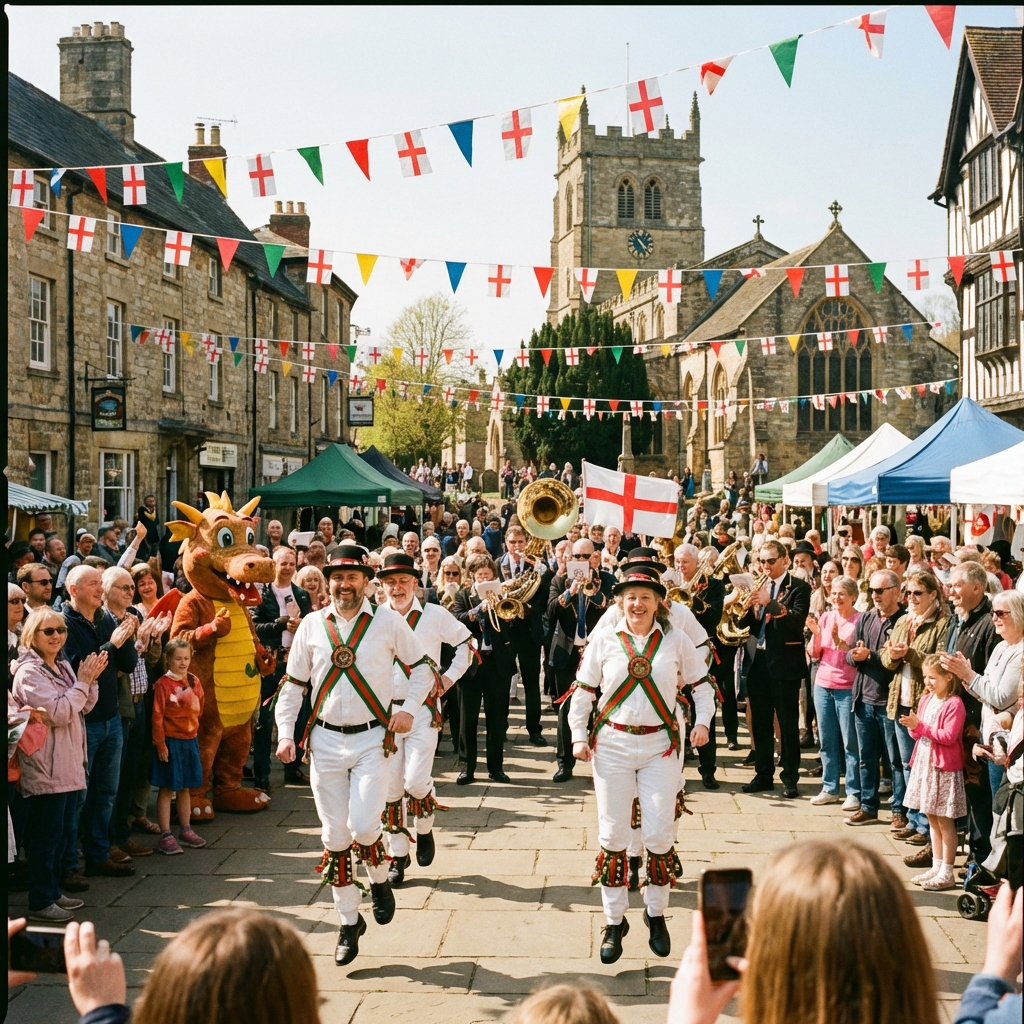
Hull has a reputation problem—and it knows it. For decades, Britain's most isolated city was punchline: end of the line, forgotten fishing port, place you passed through on way to somewhere else. Then 2017 happened: Hull was named UK City of Culture. Critics mocked the choice. Hull proved them spectacularly wrong.
The numbers tell transformation story: £220 million investment, 5.3 million visitors in 2017 alone, 800+ cultural events, £300 million economic boost. But statistics miss what makes Hull essential: defiant spirit, working-class pride, refusal to be dismissed, and ongoing cultural renaissance that didn't end when 2017 did.
Hull's isolation shaped its character. No motorway until 2002 (M62 stopped 30 miles short), voted to close gates to Charles I (sparking English Civil War), only UK city to refuse red telephone boxes (painted them cream instead). This is Britain's most independently-minded city—and that independence breeds creativity.
This guide explores Hull beyond misconceptions: maritime heritage that built Britain's fishing industry, The Deep's world-class aquarium, Philip Larkin's literary legacy, music scene that gave us The Housemartins, and why this underrated city deserves recognition.
City of Defiance: Historical Character
The Civil War Starts Here
April 23, 1642: King Charles I arrived at Hull's gates demanding entry to the arsenal stored inside. Hull's governor refused. Charles was denied access to weapons, resources, his own city. This act of defiance triggered the English Civil War.
Why did Hull refuse? Parliamentary sympathies, commercial self-interest (Hull's merchants disliked royal interference), independence streak. The city withstood siege for weeks. Charles never forgave Hull.
The legacy? Hull celebrates this defiance. The city that said "no" to a king continues saying no to expectations, stereotypes, being overlooked.
Fishing Capital of Britain
By 1800s, Hull was Britain's premier fishing port. At peak (1950s-1960s), 300+ trawlers sailed from Hull to Arctic waters, employing 10,000+ men. The catch: cod, sent to fish and chip shops nationwide.
Fishing was brutal: freezing Arctic conditions, weeks at sea, dangerous work, "three-day millionaires" (fishermen spending entire voyage wages in three days ashore). The Cod Wars with Iceland (1950s-1970s) decimated Hull's fleet—Iceland won, Hull lost.
By 1980s, fishing industry collapsed. 30,000 jobs vanished. Hull's economy shattered. But the maritime heritage remained visible everywhere.
City of Culture 2017: The Gamble That Paid Off
The Controversial Selection
When Hull won UK City of Culture 2017 designation, critics scoffed. Hull? Over Leicester, Dundee, Swansea? The Guardian asked: "Can Hull really be a City of Culture?"
Hull answered with spectacular year: £32 million cultural program, 2,800+ events, 5.3 million visitors (830,000 from outside region), 800+ new jobs, £60 million+ private investment.
Highlight Events
- Made in Hull: Opening event, fireworks, projections, 250,000 attendance
- Land of Green Ginger: Street performances transforming city center
- Hull Truck Theatre: Year-round premieres, John Godber plays
- Hull Freedom Festival: Outdoor arts, became annual tradition
- Turner Prize 2017: Hosted in Ferens Art Gallery, first time outside London/Scotland
Lasting Impact
City of Culture didn't end in 2017. Legacy includes:
- £1 billion+ regeneration pipeline: Hotels, cultural venues, housing
- Tourism sustained: Visitor numbers remain elevated
- Cultural confidence: Venues continue ambitious programming
- National recognition: Hull taken seriously as cultural destination
The Deep: World-Class Aquarium
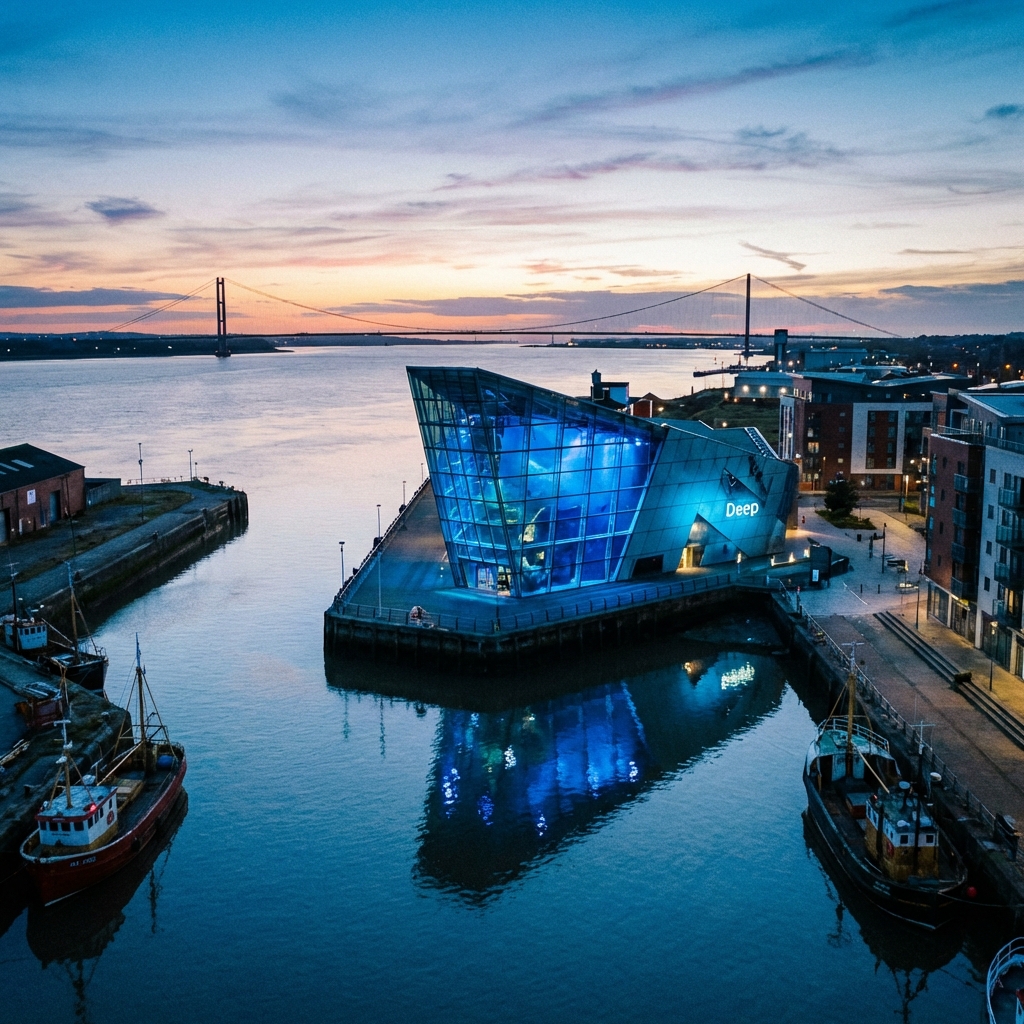
Hull's most distinctive landmark: The Deep, world's first submarium (2002). Designed by Sir Terry Farrell, the building juts dramatically over the Humber like ship's prow.
Inside:
- 3,500+ fish including sharks, rays, sawfish
- 2.5 million liter tank: One of Europe's deepest viewing tunnels
- Kingdom of Ice: Antarctic exhibits
- Ocean conservation education: Research center, breeding programs
Impact: 1 million+ annual visitors, families, school groups. The Deep put Hull on tourist map years before City of Culture.
Music Heritage: From Housemartins to Indie Icons
The Housemartins (1983-1988)
Hull's most famous musical export: The Housemartins formed at Hull University, blending jangle-pop melodies with socialist politics. Hits: "Happy Hour", "Caravan of Love".
Lead singer Paul Heaton (later of The Beautiful South) championed working-class Hull, wrote lyrics reflecting city's character.
Everything But The Girl
Tracey Thorn and Ben Watt met at Hull University (1981), formed Everything But The Girl. Their sophisticated pop crossed genres—jazz, folk, electronic. "Missing" (1994 remix) became global dance hit.
Today's Scene
Hull's music scene thrives in venues:
- The Adelphi: Legendary pub venue, breaking new bands
- Hull City Hall: 1,400 capacity, touring acts
- Freedom Festival: Annual outdoor music/arts event
- Humber Street: Warehouse venues, live music
Philip Larkin: The Hull Poet
Philip Larkin (1922-1985), one of Britain's greatest 20th-century poets, lived in Hull for 30 years (1955-1985). He worked as University of Hull librarian, wrote his most famous poems here.
Larkin's Hull poems capture city's character: isolation, working-class dignity, quiet beauty. Famous lines about Hull:
"Here leaves unnoticed thicken, / Hidden weeds flower, neglected waters quicken" ("Here")
Larkin Trail connects sites: his flat (32 Pearson Park), university library, pubs he frequented. The Deep displays manuscripts. Hull celebrates Larkin despite his curmudgeonly reputation.
Museums & Culture: Free World-Class Collections
Ferens Art Gallery
Hull's premier art gallery (1927), FREE admission. Collection includes:
- Old Masters: Frans Hals, Canaletto
- Stanley Spencer, David Hockney works
- Marine art: Whaling scenes, Hull's maritime history
- Contemporary art: Ambitious exhibitions
Hosted Turner Prize 2017—first time outside major cities, reinforcing Hull's cultural credentials.
Hull Maritime Museum
FREE museum in former Dock Offices building. Tells Hull's fishing/whaling/shipping story:
- Whaling exhibits: Arctic voyages, scrimshaw, brutal industry
- Fishing heritage: Trawler models, equipment, oral histories
- Arctic exploration: Hull's role in polar expeditions
Streetlife Museum of Transport
FREE museum, reconstructed Hull streets from different eras. Walk through Victorian shops, 1940s cinema, vintage vehicles. Family-friendly, atmospheric.
Old Town: Medieval & Georgian Treasures
Hull's Old Town preserves medieval street plan—narrow lanes, cobblestones, timber-framed merchants' houses.
Highlights:
- Holy Trinity Church: One of England's largest parish churches, brick-built (unusual)
- Wilberforce House: Birthplace of William Wilberforce (slavery abolitionist), now museum
- Museum Quarter: Cluster of free museums, easy walking
- Ye Olde White Harte: Pub where plotting for Civil War supposedly occurred
- Land of Green Ginger: Street with Britain's quirkiest name
Getting There & Around
Train: Hull Paragon Interchange (2.5 hours from London, 1 hour from Leeds, 2 hours from Manchester)
Ferry: P&O Ferries to Rotterdam (overnight), Zeebrugge
Road: M62 (finally completed 2002), A63
Local transport:
- Buses: Good network, day ticket £4.50
- Walking: Compact Old Town, easy to explore on foot
- Cycling: Flat city, developing cycle lanes
Practical Tips
- Visit timing: Avoid January-February (bleak, cold, Humber wind)
- Cream phone boxes: Hunt for Hull's unique cream-colored boxes (not red)
- Free museums: All major Hull museums FREE—huge advantage
- Budget: Very affordable city, accommodation/food cheaper than most UK cities
- The Humber Bridge: Worth the trip (10 mins drive), engineering marvel, 2.2km span
- Local dialect: Hull accent is distinctive—"er" sounds, unique vocabulary
Why Hull Matters
Hull challenges British class assumptions. This isn't pretty heritage city trading on past glory or artfully regenerated waterfront for middle-class consumption. Hull is real: working-class city that survived economic devastation through defiance, creativity, refusal to disappear.
The City of Culture year proved what locals always knew: Hull has culture worth celebrating, creativity worth showcasing, stories worth telling. The city that refused a king, built Britain's fishing fleet, gave us The Housemartins and Philip Larkin, hosts world-class aquarium and free museums—this city demands respect.
Hull isn't for everyone. If you want Instagram-perfect streets and artisan coffee culture, go elsewhere. But if you want authenticity, working-class pride, cultural ambition that doesn't apologize—Hull delivers.
Visit the city they said couldn't be cultural. It proved them wrong.
References & Resources
Essential websites:
- Visit Hull: Official tourism site
- Hull UK City of Culture 2017: Legacy
- Hull Museums: Free entry to all
Attractions:
- The Deep: World-class aquarium
- Hull Theatres: Hull New Theatre, Hull Truck
- Hull Freedom Festival: Annual outdoor arts
Culture & Heritage:
Transport:
Ruth Naomi
Community & Lifestyle LeadRuth is passionate about uncovering the stories that connect communities and celebrate local culture.