

The Easter Story: Faith, Reflection, and Spiritual Meaning

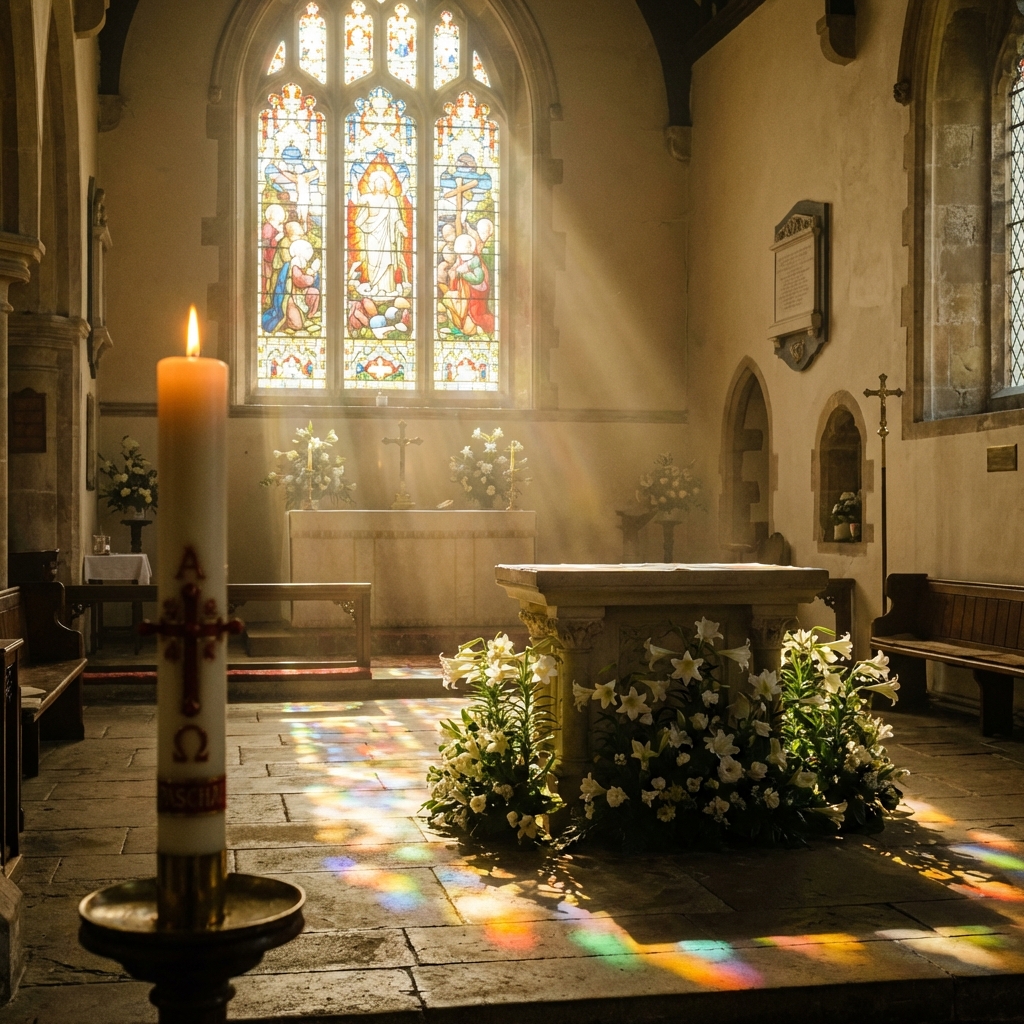
The Easter Story: Faith, Reflection, and Spiritual Meaning
Easter stands as Christianity's most important celebration—yes, even more than Christmas. Without Easter, Christianity collapses. Without the resurrection, there's no hope, no redemption, no faith. As the Apostle Paul wrote: "If Christ has not been raised, our preaching is useless and so is your faith."
This is a story of suffering, death, sacrifice, and—Christians believe—triumph over mortality itself. Whether you're a believer seeking deeper understanding, a spiritual seeker exploring Christianity, or simply curious about what billions celebrate worldwide, the Easter story deserves thoughtful attention.
What follows isn't evangelism—it's explanation. We'll walk through Holy Week (the week leading to Easter), explore theological significance, visit UK cathedrals' Easter traditions, and consider what this ancient story still offers modern people seeking meaning, hope, or connection.
Holy Week: The Story Timeline
Palm Sunday (March 30, 2026)
The Biblical Account: Jesus enters Jerusalem riding a donkey. Crowds wave palm branches, shout "Hosanna!" (Hebrew: "Save us!"), lay cloaks on road. They recognize him as Messiah—the promised king who'd liberate Israel.
The irony: Same crowds shouting praise will, within days, demand his execution. Fickle humanity captured in one week.
Symbolism: Riding donkey (not war horse) = peaceful king, fulfilling Old Testament prophecy (Zechariah 9:9). Palm branches = victory, celebration.
Modern observance: Churches distribute palm crosses (woven from palm fronds). Services reenact Jerusalem entry, reading Gospel accounts.
Maundy Thursday (April 3, 2026)
The Last Supper: Jesus gathers 12 disciples for Passover meal. He breaks bread: "This is my body." Shares wine: "This is my blood." Institutes what Christians call Communion/Eucharist—central Christian ritual.
Foot washing: Jesus washes disciples' feet—shocking act. Masters don't serve servants; Jesus reverses hierarchy. Message: Greatness through service, humility, love expressed through action.
Betrayal: Judas Iscariot accepts 30 pieces of silver to betray Jesus to authorities. Leaves supper, disappears into night.
Gethsemane: Jesus prays in Garden of Gethsemane, knowing what's coming. Prays: "Father, if you are willing, take this cup from me; yet not my will, but yours be done." Accepts suffering voluntarily. Arrested by temple guards.
Modern observance: Many churches hold foot-washing ceremonies (recreating Jesus's act), Communion services, vigils. Solemn, reflective tone.
Good Friday (April 4, 2026)
Trial before Pontius Pilate: Jewish authorities bring Jesus to Roman governor. Charges: Claiming to be king (treason), blasphemy. Pilate finds no fault but bows to crowd pressure.
The crowd choice: Pilate offers to release one prisoner—Jesus or Barabbas (violent criminal). Crowd chooses Barabbas. Shouts: "Crucify him!" Pilate washes hands, declares innocence, orders crucifixion anyway.
Crucifixion at Golgotha:
- Flogged, mocked, crown of thorns placed on head
- Forces to carry cross to Golgotha (Calvary = "place of the skull")
- Nailed to cross between two criminals
- Hangs for hours, mocked by crowds
- Says: "Father, forgive them, for they do not know what they are doing"
- Cries out: "My God, my God, why have you forsaken me?" (quoting Psalm 22)
- Dies, saying: "It is finished"
Why "Good" Friday? Seems paradoxical—day of torture, death. Called "Good" because Christians believe this death = ultimate good: God's sacrifice for humanity's salvation. Good = God's Friday, some etymologists suggest.
Burial: Joseph of Arimathea (wealthy follower) places body in tomb, rolls stone across entrance. Roman guards posted (authorities fear disciples might steal body, fake resurrection).
Modern observance: Solemn services, Stations of the Cross (walking meditation through Jesus's final hours), fasting, silent reflection. Many Christians avoid meat, entertainment.
Holy Saturday (April 5, 2026)
The waiting day: Jesus in tomb, disciples in hiding, women grieving. No celebration, just emptiness, despair, loss. Their hope died with Jesus.
Theological concept: Some traditions hold Jesus "descended into hell" (Apostles' Creed mentions)—went to realm of the dead, preached to imprisoned souls, freed righteous dead. Debated interpretation.
Modern observance: Quiet reflection. Evening Easter Vigil services begin (Saturday night)—candlelight, baptisms, anticipation of Sunday's resurrection announcement.
Easter Sunday (April 6, 2026)
The empty tomb: Mary Magdalene and other women arrive at dawn with spices to anoint body. Find tomb empty, stone rolled away. Angel says: "He is not here; he has risen!"
Appearances: Jesus appears to Mary, then disciples, then 500+ people (according to Paul's letter). Not ghost—physical body, eats food, lets them touch wounds. Proves identity.
The proclamation: "He is risen!" Response: "He is risen indeed!" Christian greeting spanning 2,000 years.
Modern observance: Joyful celebration—complete tonal shift from Good Friday. Sunrise services, triumphant music, "Alleluia" returns (silent during Lent), flowers decorating churches, white vestments.
Theological Significance: What Christians Believe
Atonement: Paying Humanity's Debt
Christian theology teaches humanity is separated from God by sin (moral/spiritual failure). This separation = death, broken relationship with creator.
Jesus's death = atonement (at-one-ment = making two parties one). God's justice satisfied, humanity's debt paid, relationship restored.
Key verse: John 3:16 - "For God so loved the world that he gave his one and only Son, that whoever believes in him shall not perish but have eternal life."
Resurrection: Victory Over Death
Christians don't just believe Jesus died—many religious founders died. Unique claim: He rose from dead, defeating mortality itself.
Implications:
- Death not final for believers
- Eternal life promised
- Hope amid suffering (death isn't the end)
- Validation of Jesus's claims (only God defeats death)
Sacrificial Love
Easter demonstrates love requiring cost. God doesn't just say "I forgive you"—He suffers, dies to prove love's seriousness.
Christian ethics flow from this: Self-sacrifice, serving others, loving enemies (echoing Jesus's "Father, forgive them").
Easter in UK Church Traditions
Catholic Holy Week
Highly liturgical (formal rituals):
Palm Sunday: Procession with palms, reading Passion narrative
Maundy Thursday: Mass of the Lord's Supper, foot washing, Eucharist, stripping of altar (removing decorations = Jesus stripped)
Good Friday: Veneration of the Cross (kissing/touching crucifix), Stations of the Cross (14 moments of Jesus's journey), no Mass (technically), solemn liturgy
Holy Saturday: Easter Vigil (Saturday night, technically Easter begins)—fire lighting, Paschal candle, baptisms, first "Alleluia" in 40 days
Easter Sunday: Joyful Mass, triumphant music
Protestant Holy Week
Less formal but deeply meaningful:
Good Friday: Emphasis on cross, sacrifice, often 3-hour services (noon-3pm, hours Jesus hung on cross)
Easter Sunday: Focus on resurrection, empty tomb, hope. Often sunrise services (outdoor, dawn = new day, new life symbolism)
Communion: Many Protestant churches observe Communion Easter Sunday (remembering Last Supper)
Orthodox Easter (Different Calendar)
Orthodox churches use Julian calendar—Easter usually 1-5 weeks after Western Easter (2026: Orthodox Easter = April 12).
Paschal service (midnight Saturday):
- Church in total darkness
- Priest emerges with candle: "Christ is risen!"
- Congregation responds: "He is risen indeed!"
- Lights gradually fill church
- Joyful celebration, bells ringing, fireworks (some countries)
Red eggs: Orthodox tradition—eggs dyed red (Christ's blood), egg = new life from tomb (shell)
UK Cathedrals: Where to Experience Easter
York Minster (Yorkshire)
England's largest medieval cathedral:
- Good Friday: Solemn liturgy, spectacular acoustics
- Easter Vigil: Candlelight procession, baptisms
- Easter Sunday: Choral Eucharist, trumpet fanfares
- Visit: Open to all, no ticket for services (arrive early for seats)
Liverpool Cathedral
Britain's largest cathedral (Anglican):
- Good Friday walk: Ecumenical procession from city center to cathedral
- Easter music: Renowned choir, organ performances
- Architecture: Modern Gothic, stunning space
Canterbury Cathedral (Kent)
Archbishop of Canterbury (head of Church of England) presides:
- Historic significance (pilgrimage site since medieval times)
- Easter sermon: Often nationally significant
- Thomas Becket connection: Martyred archbishop (1170), shrine
Westminster Abbey (London)
Royal connections, state significance:
- Services broadcast nationally
- Coronation church, royal weddings
- Ticket required for major services (free entry for worship, but Easter popular)
Local Parish Churches
Honestly, small parish churches often offer most authentic experience:
- Intimate services, community-focused
- All genuinely welcome (even complete outsiders)
- Less touristy than famous cathedrals
- Find via: Church of England directory
Universal Themes Beyond Christianity
Sacrifice for Others
You needn't be Christian to understand love requiring cost. Parents sacrifice for children, soldiers for country, activists for causes. Easter dramatizes this: Greatest love = laying down life for others.
Hope Amid Suffering
Easter's message: Suffering isn't meaningless, death isn't final, darkness gives way to light. In times of personal/collective trauma (pandemic, wars, grief), resurrection narrative offers hope.
Redemption & Second Chances
Peter denied Jesus three times—betrayed friend when scared. Post-resurrection, Jesus forgives Peter, restores him. Message: Past failures don't define you, redemption possible.
Transformation Through Suffering
Cross comes before resurrection—pattern of death leading to new life. Resonates with life experiences: Divorce → new relationship, job loss → career change, addiction → recovery. Endings enable beginnings.
What to Expect at Easter Church Service
If you've never attended, here's demystifying guide:
Dress code: Smart casual acceptable (no need for suit/dress unless you want)
Arrival: 10 minutes early ensures seat
Service structure:
- Hymns (standing, singing—just mumble if you don't know words!)
- Bible readings (sitting, listening)
- Sermon (15-30 mins, priest's talk—quality varies!)
- Prayers
- Communion (see below)
Communion/Eucharist: Bread and wine offered. If you're not Christian, you can:
- Stay seated (perfectly fine), or
- Go forward, cross arms = priest gives blessing instead (welcoming gesture)
Collection: Basket passed, donations voluntary (£5-10 typical, but no pressure)
After service: Often tea/coffee, chatting—friendly, welcoming
Duration: 1-1.5 hours typical
Easter's Enduring Relevance
UK is increasingly secular (2021 census: less than 50% Christian for first time). Easter could become mere commercial holiday—chocolate, long weekend, nothing more.
Yet Easter's themes—sacrifice, hope, redemption, love conquering death—remain profoundly human. Whether literal belief or powerful metaphor, the story speaks to:
Suffering's meaning: Pandemic, climate despair, personal grief—how do we find hope? Easter says: Death isn't the end, darkness gives way to light.
Love's cost: Real love sacrifices, serves, forgives—even enemies. Easter dramatizes this radically.
Community & belonging: Churches offer gathering space, shared ritual, community in lonely age.
Transcendence: Modern life can feel meaningless, materialistic. Easter points to something beyond—whether God or simply larger meaning.
Conclusion: An Invitation to Explore
This isn't altar call—I'm not asking you to convert. But if you've never experienced Easter service, considered the story seriously, or wondered what 2.4 billion Christians worldwide celebrate, maybe this Easter offers opportunity.
Visit a cathedral, attend local church, light a candle, sit quietly with the story. Ask: What does this narrative of suffering, death, and claimed resurrection say to me?
For believers, Easter is Christianity's beating heart—hope that death is defeated, love that sacrifices everything, promise of resurrection.
For seekers, Easter poses profound questions: Is there meaning in suffering? Can love conquer death? Am I more than flesh destined for grave?
For skeptics, Easter demonstrates faith's enduring power—story shaping 2,000 years of history, art, culture, billions of lives.
Whatever you believe, Easter deserves serious attention. The story that changed the world still asks: How will you respond?
Happy Easter.
References & Resources
Understanding Easter:
- Church of England: Holy Week Guide
- Catholic Bishops' Conference: Easter Resources
- BBC Religion: Easter Explained
Finding Services:
- Church of England: Find a Church
- Catholic Church: Parish Finder
- Daily Hope: Prayer Line (for elderly/housebound)
Spiritual Reflection:
Further Reading:
- N.T. Wright: "The Resurrection of the Son of God" (scholarly, accessible)
- C.S. Lewis: "Mere Christianity" (classic Christian apologetics)
- Timothy Keller: "The Reason for God" (modern faith exploration)
Timothy Canon
History & Literature CriticTimothy Canon brings historical depth and literary insight to cultural narratives and traditions.
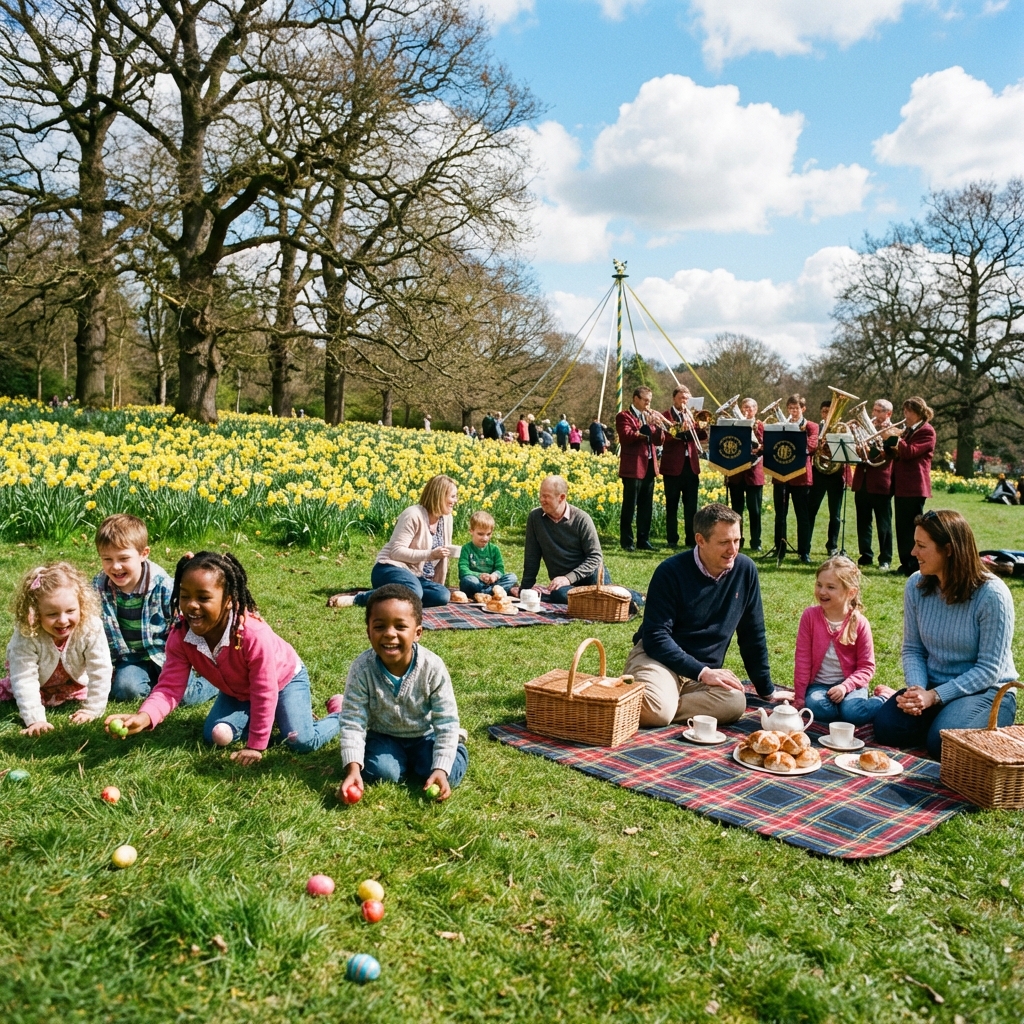
Easter Traditions & Community Celebrations Across the UK
