
Digital Sanctuaries: Faith in the Online Age

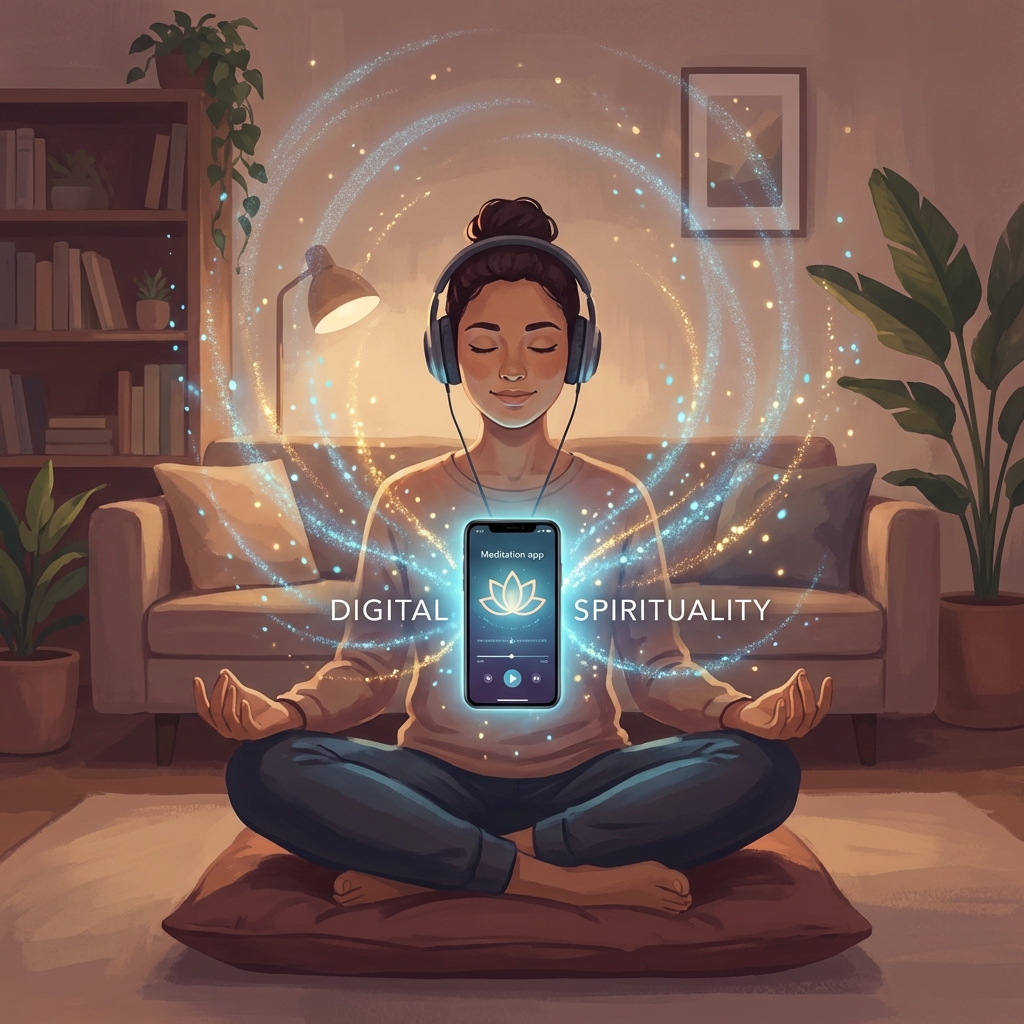
Prayer at Your Fingertips
In 2026, the question isn't whether technology and spirituality can coexist—it's how to use digital tools to deepen, not diminish, your faith. From meditation apps downloaded by millions to virtual reality church services, the digital faith revolution is reshaping how people pray, worship, study Scripture, and connect with spiritual communities.
This isn't about replacing in-person worship or abandoning traditional practices. It's about creating "digital sanctuaries"—sacred spaces accessible 24/7 from anywhere, offering flexibility and accessibility that brick-and-mortar buildings cannot match. For the homebound, the anxious, the geographically isolated, or simply those with unpredictable schedules, these tools are lifelines to spiritual nourishment.
The statistics tell the story: YouVersion Bible App has over 958 million installations projected for 2025, with 14 million people engaging daily. Hallow, a Catholic prayer app, became the first religious app to hit #1 on Apple's App Store in 2024, with over 600 million prayers completed. The global spiritual wellness app market is projected to reach $7.31 billion by 2033, growing at 14.63% annually.
The Digital Faith Revolution: How We Got Here
COVID's Lasting Impact
When pandemic lockdowns forced churches to close in 2020, congregations scrambled to livestream services, often with a single phone propped on a tripod. What began as crisis management evolved into strategic digital ministry. By 2025, 87% of churches still stream worship services—a 6% year-over-year increase—proving this wasn't a temporary shift.
Importantly, digital worship isn't replacing in-person attendance. It's augmenting it. Churches report operating at approximately 85% of pre-pandemic attendance levels, but their digital reach has expanded exponentially. 33% of churchgoers found their current churches online, discovering communities they'd never have encountered geographically.
The Generational Divide
Younger generations are driving digital faith adoption. Millennials' weekly church attendance increased from 21% (2019) to 39% (2025), partly due to hybrid worship models offering flexibility. Gen Z, digital natives who grew up with smartphones, expects seamless digital integration. For them, finding a church without livestreaming, an app, or social media presence feels antiquated.
This doesn't mean younger believers are less committed—they're simply engaging differently. They discover sermons through YouTube, discuss theology in Discord servers, and maintain prayer lists in apps like Echo Prayer. The sacred and the digital are no longer separate spheres.
Categories of Digital Sanctuaries
Prayer and Meditation Apps
Hallow (Catholic)
Website: hallow.com
Statistics: 14+ million downloads, 600+ million prayers completed, $69.99/year subscription
Hallow offers guided meditations, daily prayers, examination of conscience, and the Rosary with celebrity voices (Mark Wahlberg, Jim Caviezel). The app surged to #1 on App Store after a Super Bowl ad in 2024. While rooted in Catholic tradition, 40% of users aren't Catholic, drawn by its contemplative, Scripture-based approach.
Best for: Catholics or those drawn to liturgical prayer, structured daily practice, beautiful design and production quality.
Glorify (Protestant/Interdenominational)
Website: glorify-app.com
Funding: $84 million raised, valued at £341 million
Glorify blends worship music, guided meditation, and daily devotionals. It's less liturgical than Hallow, appealing to evangelical and non-denominational Christians. The app features gratitude journals, Scripture memory tools, and themed meditation series.
Best for: Protestants seeking contemporary worship integrated with mindfulness, younger users comfortable with app-based spirituality.
Lectio 365 (24-7 Prayer)
Website: 24-7prayer.com/dailydevotional
Users: Over 1 million
Free daily devotional in 10 minutes: pause, rejoice, reflect (Scripture reading), respond (prayer), and rest. Based on Lectio Divina (divine reading), an ancient monastic practice. Simple, contemplative, accessible—perfect for busy schedules.
Best for: Beginners to contemplative prayer, those wanting structure without overwhelming choice, free alternative to paid apps.
Pray.com
Combines bedtime Bible stories, sleep music, and guided prayers. Appeals especially to parents wanting to establish bedtime spiritual routines with children.
Bible Study Apps
YouVersion Bible App
Website: bible.com
Statistics: 958 million projected installations (2025), 14 million daily users, 11.2 million new installs monthly
The undisputed king of Bible apps. Offers 2,000+ translations in 1,500+ languages, reading plans for every topic imaginable, social features (share verses, join group plans), audio Bibles, and verse-of-the-day notifications. Philippians 4:6 ("Do not be anxious about anything…") was the most engaged-with verse in 2024.
Key feature: Reading plans—structured paths through Scripture (30 days, 90 days, one year) with daily email reminders. Popular plans include "The Bible in One Year" and topical studies on anxiety, relationships, or purpose.
Best for: Everyone. It's free, comprehensive, and user-friendly. Start here.
Blue Letter Bible / Bible Gateway
For deeper study: commentaries, original language tools (Hebrew/Greek), cross-references, concordances. These are scholar-level resources made accessible.
Best for: Serious students, pastors, seminary students, anyone wanting to dig beyond surface-level reading.
Logos Bible Software
Professional-grade research tool with thousands of books, commentaries, and academic resources. Expensive ($300-$10,000+ depending on package), but unmatched for theological study.
Best for: Ordained ministers, academics, anyone pursuing formal theological education.
Virtual Church and Livestreaming
Church Online Platform
Used by thousands of churches worldwide. Allows live chat during services, digital connection cards for visitors, prayer request submission. Creates interactive experience rather than passive viewing.
Hybrid Worship Models
The future of church isn't online or in-person—it's both. Successful churches blend:
- Live in-person services with full production quality
- Livestreaming for those who can't attend
- On-demand archives for watching later
- Interactive elements: live Q&As, polls, prayer requests
- Digital small groups via Zoom for deeper community
This model recognizes different needs: someone recovering from surgery can worship from home; someone exploring faith can attend anonymously online before visiting in person; someone traveling can stay connected to their home church.
VR Church (Experimental)
Platforms like AltspaceVR and VRChat host experimental virtual churches where avatars gather in digital sanctuaries. While still niche, these offer surprising intimacy—users report feeling "present" with others despite physical distance. Expect growth as VR headsets become more affordable.
The Podcast Ministry Boom
Why Podcasts Work for Faith
Podcasts fit seamlessly into modern life: commuting, exercising, doing chores. They transform "dead time" into spiritual formation. The intimacy of a voice in your ear creates parasocial relationships with hosts, making complex theology feel like a conversation with a friend.
Top Christian Podcasts
The Bible Project Podcast
Website: bibleproject.com/podcasts
Explores biblical themes and books with stunning animated videos and accessible teaching. Makes ancient texts relevant without dumbing them down.
Ask NT Wright Anything
Anglican scholar NT Wright answers listener questions on theology, doubt, culture, and Scripture. Academic rigor presented conversationally.
The Liturgists
For progressive Christians, deconstructionists, and doubters. Explores science, art, and faith at the intersection of tradition and modernity.
The Commoners Communion / Liturgical Rebels
Focuses on spiritual practices, liturgy, and creative faith reconstruction for those disillusioned with institutional church.
Sermon Podcasts
Most churches now podcast their weekly sermons. Apps like Edifi aggregate thousands of Christian podcasts across categories: sermons, theology, women's ministry, leadership, Bible study.
Benefits of Digital Faith
Accessibility
Digital tools democratize access to spiritual resources:
- Homebound individuals (elderly, disabled, chronically ill) can participate fully
- Rural communities without local churches can access teaching
- Shift workers (nurses, first responders) can worship on their schedules
- Global communities transcend geography—someone in London can be part of a church in Los Angeles
Flexibility
Spiritual disciplines don't require perfect conditions. A 10-minute Lectio 365 session during lunch, YouVersion Bible reading on the train, Hallow prayer before bed—these micro-practices add up.
Anonymity for Seekers
Exploring faith can feel vulnerable. Online engagement allows curiosity without commitment. Someone questioning Christianity can watch sermons, join Zoom Bible studies, ask anonymous questions in chat—building understanding before (or instead of) attending in person.
24/7 Availability
Spiritual crises don't wait for office hours. At 2 AM, struggling with anxiety, you can open Hallow for guided prayer, search YouVersion for comfort verses, or listen to a podcast episode on suffering. Digital sanctuaries never close.
Criticisms and Concerns
Can Digital Replace In-Person Community?
Short answer: No. Deep relationships require physical presence—hugs, shared meals, serving alongside someone. Sacraments (Eucharist, baptism) are inherently embodied. Digital tools supplement but cannot substitute for incarnate community.
Research shows digital worship fatigue emerged by 2025. The pandemic surge in online participation was survival, not preference. When given the choice, most Christians prefer in-person worship, viewing online as secondary. Convenience can lead to complacency—less engagement, giving, and volunteering.
Screen Addiction and Digital Sabbath
Irony alert: Reading Scripture on your phone can turn into scrolling Instagram five minutes later. The device that facilitates prayer also facilitates distraction. Many digital faith advocates recommend:
- Time limits: Use app timers for devotional apps
- Separate devices: Dedicated e-reader for Bible, not your phone
- Digital sabbaths: Regular tech-free days to reconnect with embodied practices
Shallow Engagement vs. Deep Discipleship
Five-minute devotionals are valuable, but discipleship requires sustained effort. Apps make it easy to feel spiritually productive without actual transformation. The danger: confusing consumption (listening to podcasts, collecting Bible highlights) with formation (changing how you live).
Commodification of Spirituality
The spiritual wellness app market is a $2.16 billion industry projected to hit $7.31 billion by 2033. That's capitalism shaping sacred practice. Subscription models ($69.99/year for Hallow) create paywalls around prayer. While many apps offer free versions, premium content often feels essential.
This raises ethical questions: Should access to spiritual formation depend on ability to pay? Are we turning faith into a product?
Data Privacy
When you share prayer requests or journal entries in apps, who owns that data? What happens if the company is sold? Read privacy policies carefully.
Best Practices for Digital Faith
Use Tech to Enhance, Not Replace
Digital tools work best alongside, not instead of, embodied practices. Attend church in person when possible. Use apps to maintain practice between Sundays.
Set Boundaries
- Designated prayer time without multitasking
- Turn off non-devotional notifications during spiritual practices
- One tech-free day per week (digital sabbath)
- Physical Bible for deep study, app for quick reference
Avoid Spiritual Consumerism
Don't endlessly shop for the "perfect" app/podcast/church. Commit. Consistency matters more than novelty. Stick with one Bible reading plan for 30 days before switching.
Engage Community, Not Just Content
Join live Zoom Bible studies, not just on-demand videos. Comment on Church Online chat. Use apps' social features to connect with others. Formation happens in relationship.
Getting Started: Your Digital Faith Toolkit
Essential Apps (Free Versions Available)
- YouVersion Bible App – Your digital Bible and reading plans
- Lectio 365 – 10-minute daily prayer (completely free)
- Hallow or Glorify – Choose based on your tradition (both offer free trials)
- Your church's app (if available) for livestreams and connection
Podcasts to Try
- The Bible Project – For biblical literacy
- Ask NT Wright Anything – For theological questions
- Your local church's sermon podcast – For continuity with in-person worship
30-Day Digital Faith Experiment
Week 1: Download YouVersion. Choose a 7-day reading plan on a topic that interests you.
Week 2: Add Lectio 365. Do the daily 10-minute prayer every morning.
Week 3: Join an online small group or Bible study (check your church or search Zoom groups).
Week 4: Evaluate. What's working? What feels forced? Adjust and continue.
Finding Online Community
- Zoom Bible Studies: Search "[your denomination] online Bible study" or check church websites
- Discord Servers: Many churches and ministries run servers for real-time chat and community
- Facebook Groups: Search "Christian [your interest]" (e.g., "Christian Moms," "Christian Mental Health")
- Reddit: r/Christianity, r/OpenChristian, r/Catholicism for discussion and questions
The Future of Digital Faith
AI Spiritual Advisors?
Artificial intelligence is already enhancing church ministry: chatbots answering FAQs, AI writing first drafts of sermons, personalized content recommendations. Could AI spiritual directors emerge—algorithms that ask probing questions based on your journal entries?
This raises profound questions: Can a machine facilitate encounter with God? Does prayer require a human recipient? The jury is out, but experimentation is underway.
Metaverse Churches
As VR technology improves and becomes cheaper, expect more churches to establish metaverse presences. Imagine walking into a virtual cathedral, sitting in a pew (as an avatar), and worshiping alongside others from around the globe. Far-fetched? It's already happening in experimental communities.
Augmented Reality Bible Study
AR glasses could overlay biblical context onto physical space—walk through your city and see AR annotations showing how first-century practices apply today. Point your glasses at bread and see an explanation of Jesus calling himself "bread of life."
The Hybrid Church is Here to Stay
The ultimate prediction: in-person worship will remain central, but seamlessly integrated with digital tools. Churches will be judged not on whether they use technology but how intentionally and theologically they integrate it.
Final Thoughts: Technology as Tool, Not Temple
Digital sanctuaries are powerful, accessible, and here to stay. They've democratized access to spiritual resources in unprecedented ways. A teenager in rural Scotland can access the same Bible teaching, prayer resources, and communities as someone in London—barriers of geography, mobility, and economics reduced (though not eliminated).
But technology is a tool, not a temple. Apps facilitate prayer; they aren't prayer itself. Livestreams broadcast worship; they aren't worship itself. The goal isn't to live virtually but to live more faithfully—and if apps, podcasts, and online communities help with that, use them gratefully.
The question isn't whether to engage digital faith but how. Use it intentionally. Set boundaries. Prioritize embodied community. Let technology serve your spiritual life, not dominate it.
In 2026, your phone can be a portal to prayer, Scripture, and community. It can also be a distraction, a commodity, and a substitute for real presence. Choose wisely. The digital sanctuary is open—how will you enter?
References
Faith Apps and Statistics
- YouVersion Bible App – Free Bible and Reading Plans
- Hallow – Catholic Prayer and Meditation App
- Glorify – Christian Worship and Wellbeing App
- Lectio 365 – Free Daily Prayer from 24-7 Prayer
- YouVersion 2024-2025 Engagement Statistics (PR Newswire)
- Spiritual Wellness App Market Report (Grand View Research)
Online Church and Livestreaming
- Church Livestreaming Statistics and Trends
- Resi – Church Livestreaming Platform
- Church Attendance and Digital Ministry Trends 2025
Christian Podcasts
Digital Discipleship Tools
Further Reading
Julian Cross
An expert contributor to the Social for Life community, sharing insights on faith and beyond.